
ACERTUS delivers reliable solutions for salvage vehicle movement across the United States. The team uses a network of over 8,600 dedicated carriers to handle inoperable and salvage units with care. Their process emphasizes safety, clear communication, and timely delivery.
Clients receive specialized equipment and trained crews to secure loose parts and protect vehicle condition during shipment. From auction pickup to final arrival, experts manage titles, insurance checks, and pickup delivery steps. Requesting a quote is simple and transparent.
For owners and fleet managers alike, this service reduces risk and preserves value during transit. Contact the team at (307) 288-5972 or info@bestcarshippinginc.com to learn about enclosed options and tailored handling. Visit salvage car transport solutions for full details.
Key Takeaways
- Extensive carrier network: 8,600+ carriers ready to move salvage vehicles nationwide.
- Full-service handling: Pickup delivery, inspection, title and insurance verification included.
- Safety first: Specialized equipment and secure loading to prevent further damage.
- Transparent quotes: Clear pricing and timelines to control cost and expectations.
- Auction expertise: Tailored shipping solutions for units bought at auctions.
Understanding the Challenges of Damaged Vehicle Transport
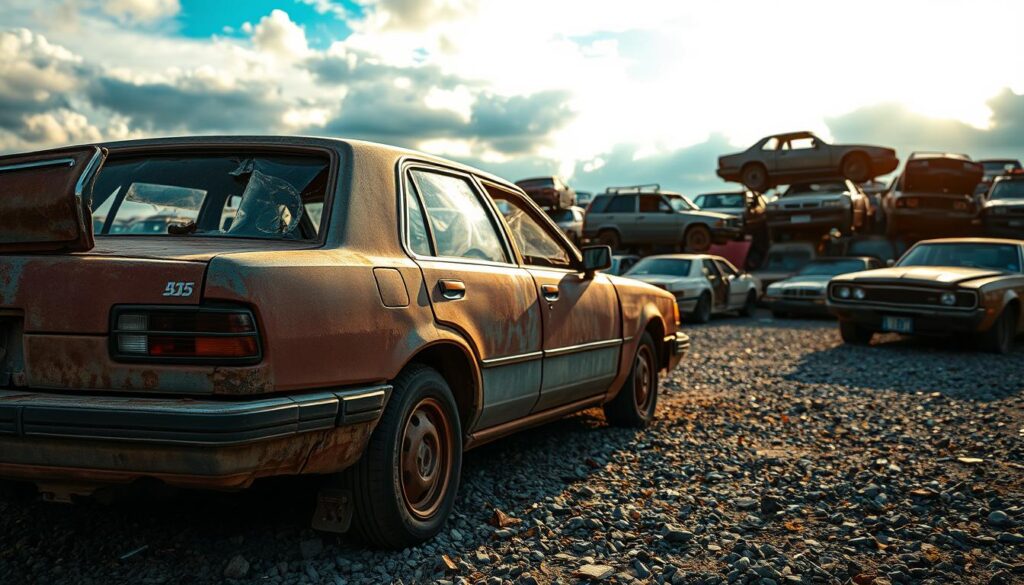
Moving severely affected vehicles demands specialized procedures that differ from standard logistics. Salvage units often have structural failures, fluid leaks, or missing drive components. These issues make ordinary haulage unsafe and unreliable.
Specialized handling focuses on stabilization, containment, and secure loading. Crews must isolate leaks, brace weak points, and use winches and straps that match each machine’s condition. Documentation and insurance checks accompany every pickup.
The global online salvage market reached $15 billion in 2023, showing strong demand for professional shipping. Customers should choose reputable providers. Sherpa Auto Transport’s A+ BBB rating illustrates the value of vetted partners in this niche.
Best practices reduce risk: inspect titles, confirm liability coverage, and hire teams that perform pre-shipment stabilization. For Spanish-speaking clients, see trusted options at transporte de carros.
- Stabilize the unit before loading.
- Contain any fluid leaks.
- Verify insurance and paperwork.
Essential Preparation for Car Transport for Damaged or Wrecked Cars
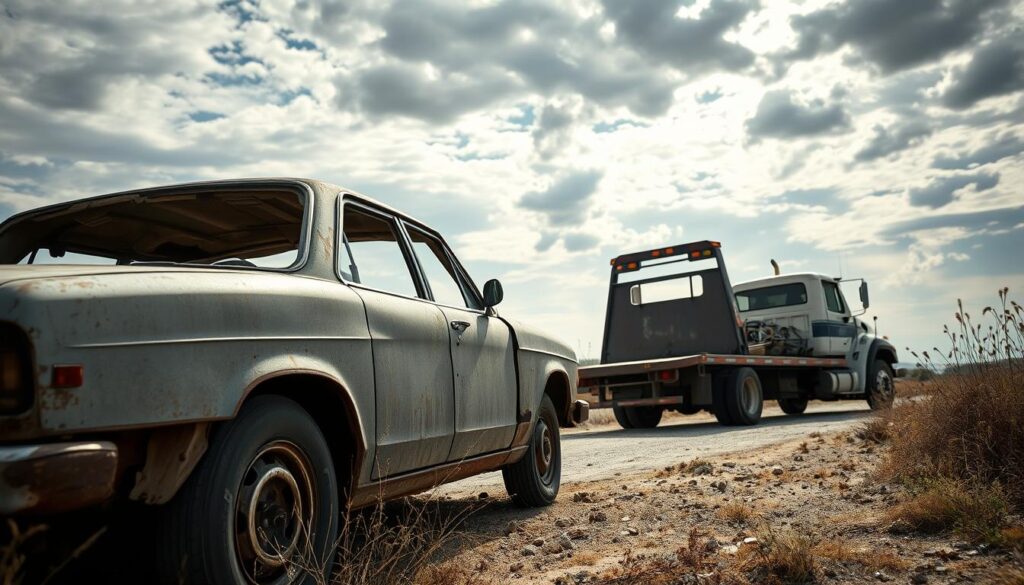
Clear, detailed information about the unit’s condition speeds quoting and ensures proper handling. Owners should list make, model, current condition, and any missing parts. Include multiple photos to show existing damage and loose components.
Disclose nonworking systems such as inoperable brakes or missing keys. This allows dispatch to assign winches, lifts, or flatbed equipment suited to the load.
Accurate Vehicle Information
Provide title status, auction paperwork, and proof of purchase when applicable. Confirm pickup access and any location limits that affect trailer choice.
Special Handling Requirements
Communicate special needs early. The team evaluates vehicle size, potential repair costs, and safety risks to produce a precise quote.
- Document condition: photos and notes protect against claims.
- Confirm keys and brakes: note any restrictions before pickup.
- Verify access: ensure trailers can reach the unit.
| Issue | Recommended Equipment | Required Paperwork | Expected Time |
|---|---|---|---|
| Missing keys | Winch + flatbed | Title, consent form | 30–60 mins setup |
| Inoperable brakes | Rollback or ramp | Bill of sale, auction receipt | 45–90 mins |
| Loose parts / leaks | Straps, containment kits | Photos, insurance info | 30–60 mins |
For localized service and an accurate estimate, request a tailored quote at salvage car shipping Sarasota. The team plans each shipment to reduce delays and protect value.
Identifying the Right Type of Non-Running Vehicle
Knowing the precise condition of a non-running salvage unit helps match the right crew and gear to the job. A non-running “salvage car” is any unit that cannot move under its own power, from minor faults to total loss.
Experts inspect: powertrain status, frame damage, fluid leaks, and missing keys. This quick assessment determines whether a rollback, flatbed, or winch setup is required.
Specialized auto transport services handle project vehicles, classic tractors, off-road machines, and auction finds. Each type of unit brings unique risks that affect safety and shipping choices.
Understanding condition early saves time and cost. Teams trained in salvage identify flood, fire, or mechanical issues and match equipment to avoid secondary harm during loading.
- Tailored solutions: equipment and crew assigned by vehicle type.
- Proven experience: handled salvage cars and modern classics nationwide.
- Careful planning: minimizes delays and protects value during transport.
Specialized Equipment for Loading Inoperable Vehicles
Loading an inoperable unit begins with the right trailer and trained crew to avoid added harm. The team selects gear to match each salvage condition. This reduces risk and speeds pickup and delivery.
Flatbed Carriers
Flatbed carriers offer a stable platform for units that cannot roll. Hydraulic decks and full-length beds allow lift-and-slide loading. Crews fasten loose parts and cover exposed areas to limit environmental damage.
Rollback Systems
Hydraulic rollback systems are ideal when structural issues or steering failures exist. The deck tilts and slides to reduce stress on frames. This method minimizes handling and keeps the salvage item secure during pickup.
Winch and Strap Safety
Winches and straps are inspected before every job. Proper anchoring prevents movement that could cause further damage. Drivers use rated straps, soft loops on body panels, and redundancy checks to protect the load.
Expert handling and matched equipment make shipping salvage units efficient and safe. For enclosed options that add protection, consider enclosed shipping. Contact (307) 288-5972 or info@bestcarshippinginc.com for a tailored quote.
Selecting Between Open and Enclosed Transport Methods
Deciding between open and enclosed hauling hinges on the salvage unit’s value, condition, and budget. Open decks are cost-effective and widely available. They suit many salvage vehicles that have minimal exposure risk.
Enclosed transport is recommended for high-value salvage car units or rare models. It shields against weather, road debris, and reduces the chance that loose parts will be lost during shipping.
Our auto transport team evaluates vehicle condition and parts security. They explain trade-offs and help owners choose the right option. This guidance ensures the selected method matches protection needs and budget.
Open hauling remains a practical choice when cost is a priority and exposure risks are low. Regardless of method, professionals secure every vehicle with rated straps and containment measures to protect components.
- Cost vs. protection: open = lower cost; enclosed = higher security.
- Loose parts: enclosed reduces loss and exposure.
- Expert assessment: tailored recommendation from the shipping team.
Contact (307) 288-5972 or info@bestcarshippinginc.com for a customized quote and recommended handling.
Navigating Legal Requirements and Documentation
Clear ownership records and compliant permits are the foundation of a legal salvage shipment. Proper paperwork reduces hold-ups at pickup and customs.
Before booking, confirm title status and any auction invoice or proof of purchase. Originals or certified copies may be required for export.
Export and Customs Regulations
International shipping requires presenting the original title to Customs. Bonded and insured carriers streamline this step.
- Verify titles and liens: secure third-party authorizations when a lien or lease exists.
- Document shipment details: include auction paperwork, parts lists, and proof of purchase.
- Handle permits and hazards: obtain transit permits and declare hazardous materials when present.
The team assists with paperwork, insurance checks, and carrier coordination to keep delivery on schedule. Contact (307) 288-5972 or info@bestcarshippinginc.com for guidance on salvage title and shipment compliance.
Factors Influencing Your Shipping Quote
Several variables shape the final quote when scheduling a salvage shipment.
Size and condition of the vehicle affect the rate. Larger or oversized units reduce trailer capacity and raise the cost.
Distance and route demand influence pricing as well. Longer routes add mileage fees. High-demand lanes increase market rates and may change the quote quickly.
Non-running units require winches, rollbacks, or flatbeds. That equipment and handling time factor into the final price, and may affect insurance needs.
| Factor | Impact on Quote | Typical Time Effect |
|---|---|---|
| Unit size & weight | Higher rate; less trailer space | May add 0–2 days |
| Condition (non-running) | Specialized gear fees | 30–90 mins extra handling |
| Route & season | Surge pricing on busy lanes | Variable — affects lead time |
| Enclosed vs open | Enclosed raises protection and cost | May add handling time |
- Pricing engine: machine learning and AI analyze millions of data points to produce accurate quotes.
- Transparent breakdown: customers see line items for equipment, insurance, and distance.
Contact (307) 288-5972 or info@bestcarshippinginc.com to request a detailed quote and timing estimate.
Best Practices for Coordinating Pickup and Delivery
A coordinated timeline keeps sellers, carriers, and buyers aligned at every step.
Confirm pickup windows and provide clear details about vehicle condition and size. This helps the carrier bring the right equipment and reduces delays.
Coordinate with the seller to ensure paperwork is ready at pickup. Agree on a time and a backup window in case access issues arise.
At delivery, conduct a concise inspection. Check photos, note new damage, and sign paperwork only after verification. This protects both parties.
“Clear communication and an agreed checklist prevent most issues during salvage car shipping.”
| Step | Responsible | Typical Window |
|---|---|---|
| Schedule pickup | Carrier & seller | 24–72 hours |
| Confirm equipment | Carrier | At booking |
| Final inspection | Buyer & driver | On delivery |
The team manages the process from quote to final delivery and keeps customers updated by phone and email. For practical tips on scheduling and shipment planning, see stress-free vehicle shipping tips.
Conducting a Thorough Inspection Upon Arrival
Inspecting the unit immediately at delivery protects value and documents any new issues.
Begin with a visual sweep of the exterior and exposed parts. Compare each panel, glass, and mount with the pre-pickup photos to spot differences.
Open compartments and check fluid levels. Look for leaks, loose parts, and any unexpected wear. If the unit can be moved, attempt a short test drive to confirm basic systems work.
Document everything. Take timestamped photos and notes during delivery. Request the carrier sign the condition record to confirm pickup delivery status.
- Compare photos: match delivery images to originals.
- Check parts: ensure nothing is missing or shifted.
- Request report: obtain the final inspection report from the team.
| Action | What to Record | Why It Matters |
|---|---|---|
| Visual walkaround | Photos of panels, glass, mounts | Shows new damage vs. pre-shipment |
| Functional check | Start attempt, lights, brakes | Confirms basic operability after shipping |
| Parts inventory | Loose items listed and signed | Prevents loss claims and disputes |
Our team provides a final inspection report and support. Contact (307) 288-5972 or info@bestcarshippinginc.com with questions during delivery. Following these steps helps ensure the salvage car transport process met expectations and protects your investment.
Avoiding Common Pitfalls and Scams
Many pitfalls in salvage purchases stem from incomplete history reports and vague seller claims. Buyers should pause and verify before committing to a deposit.
Request full documentation. Ask for title copies, auction receipts, and detailed photos. Confirm insurance status and the presence of any liens before scheduling a shipment.
Vet the carrier and the quote. Use only carriers with verifiable reviews and active insurance. Compare at least two written quotes to avoid hidden fees.
- Verify the salvage title and auction records.
- Check carrier credentials and insurance limits.
- Demand a clear, itemized quote that lists equipment and delivery terms.
| Red Flag | What to Do | Why It Matters |
|---|---|---|
| Seller refuses records | Decline and request transparency | Protects against undisclosed history |
| Uninsured carrier | Insist on proof of coverage | Prevents liability at delivery |
| Vague quote | Get itemized pricing | Avoids surprise cost at pickup |
“A verified title and an insured, vetted carrier are the simplest defenses against common salvage scams.”
Need help? The team assists buyers with due diligence, quote reviews, and carrier checks. Call (307) 288-5972 or email info@bestcarshippinginc.com to confirm paperwork and schedule a secure shipment.
Final Thoughts on Reliable Salvage Vehicle Shipping
A secure end-to-end salvage process combines precise documentation, seasoned crews, and tailored equipment. This approach reduces delays and protects value during every step.
The team has deep experience handling auction pickups, verifying salvage title and title transfers, and confirming insurance before pickup. Clear communication keeps each shipment on schedule and minimizes surprises.
Customers receive a stress-free experience backed by professional oversight and transparent pricing. Learn about the open option at open-car transport and contact the team at (307) 288-5972 or info@bestcarshippinginc.com to discuss your service needs.