
Best Car Shipping Inc. offers rapid, professional auto transport when a vehicle will not start following an extended trip. The team understands that a stranded car is stressful and acts with urgency to protect your asset.
Reliable handling and clear communication are core to the service. Drivers use specialized equipment to move non-operational vehicles to a repair facility safely.
The company provides business-oriented logistics for professionals who need quick, documented recovery. Call (307) 288-5972 or email info@bestcarshippinginc.com for immediate assistance.
Key Takeaways
- Best Car Shipping Inc. transports non-operational vehicles to repair shops.
- Specialized equipment ensures safe handling of stranded cars.
- Clear, caregiver-focused communication reduces owner stress.
- Services support business professionals and logistics coordinators.
- Contact (307) 288-5972 or info@bestcarshippinginc.com for fast recovery.
Understanding Why Your Car Won’t Start After Long Distance Drive
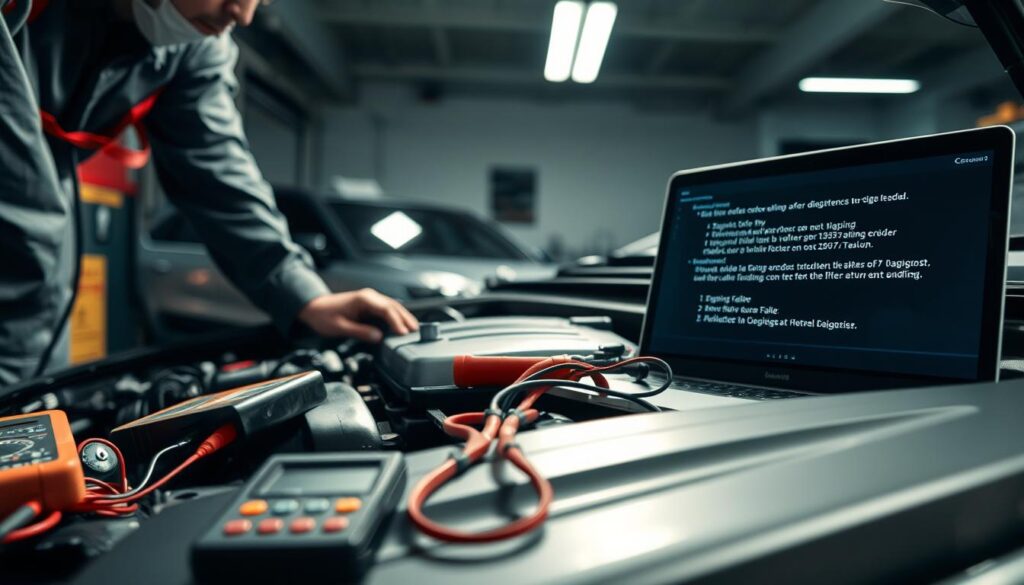
A sudden refusal to crank after an extended trip often points to electrical or thermal stress. Identifying the cause quickly reduces risk and cost.
Battery life is a common culprit. Most batteries last three to five years depending on use and climate. Extended runs can reveal aging cells that no longer hold a charge.
Heat is another major factor. When engine temperature climbs too high, it can cause a blown head gasket or warped cylinder heads. These failures create serious starting problems and need prompt attention.
“A methodical check determines whether the issue is electrical or mechanical, saving time and preventing further damage.”
- Check battery age and terminal condition first.
- Look for coolant loss or overheating signs.
- Use our tips to separate electrical faults from mechanical failures.
| Symptom | Likely Cause | Immediate Action |
|---|---|---|
| No crank, dim lights | Battery failure | Test voltage; replace if >3–5 years |
| Overheat warning | Head gasket / warped head | Stop, cool down, seek professional inspection |
| Intermittent cranking | Electrical connection or starter issue | Inspect terminals; test starter |
Common Electrical Culprits Behind Starting Failures
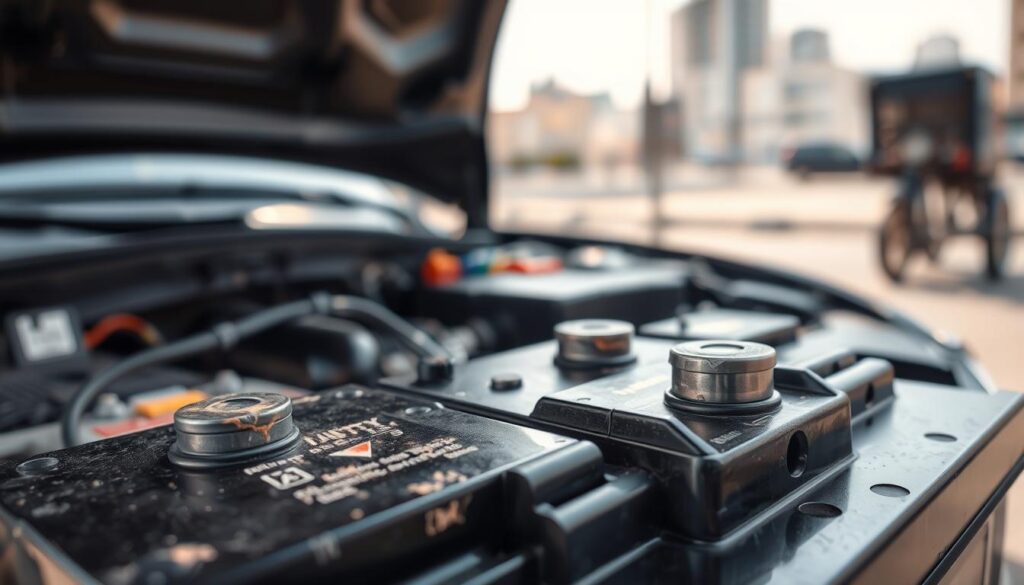
Power delivery problems often stop the engine from engaging even when the key turns.
Battery Health
A healthy battery should read around 12.6 volts with the engine off. Dim lights or weak accessories often point to a low charge or aged unit.
When you turn key in the ignition, a clicking sound often indicates the battery is too weak to power the starter.
Alternator Performance
The alternator supplies electricity to lights and the stereo system while the engine runs. If it fails, the battery can drain and cause flickering lights or multiple electrical issues.
“Use a multimeter to verify voltage. Low readings help pinpoint battery or alternator failure quickly.”
- Faulty starter motors can make the engine crank slowly or not at all.
- Neglecting these components increases risk of complete power loss and costly repairs.
- Consult a professional for a full diagnostic of the ignition system when in doubt.
| Symptom | Likely Component | Quick Check |
|---|---|---|
| Clicking at key turn | Battery | Measure voltage; look for ~12.6V |
| Flickering lights while running | Alternator | Test charging output with engine on |
| Slow crank or grinding noise | Starter / ignition system | Inspect starter and connections |
Fuel System Issues That Prevent Engine Ignition
A restricted fuel path can leave the engine starved even though the ignition is fine.
Fuel Pump and Filter Obstructions
Clogged filters and failing pumps commonly reduce fuel delivery after sustained use. A clogged fuel filter stops fuel from reaching engine components. This can leave the engine cranking without firing.
If you do not hear a faint hum from the fuel pump when the key is turned, the pump or its relay may be faulty. The fuel pump relay controls power to the pump. A bad relay cuts power and stops fuel reaching the engine.
“Regular filter replacement and prompt pump checks prevent most fuel delivery failures.”
- Clogged fuel filter prevents fuel delivery to the engine.
- Fuel pump relay failure cuts power to the pump and stops flow.
- When ignition works but the engine cranks without firing, check fuel reaching engine.
| Symptom | Likely Cause | Immediate Action |
|---|---|---|
| No pump noise at key on | Failed fuel pump or relay | Test relay; check pump voltage |
| Engine cranks but won’t run | Clogged fuel filter | Replace filter; test for flow |
| Intermittent fuel flow | Weak pump or blocked line | Inspect lines; verify pump pressure |
Professional assessment will check both pump and filter. Routine fuel system maintenance keeps vehicles reliable and reduces emergency transports.
Mechanical Components That Fail Under Heat Stress
High under-hood temperatures can push mechanical components past their limits during extended trips. The engine suffers when cooling systems cannot remove excess heat.
Heat-related damage often shows as a blown head gasket or warped cylinder head. These failures often require costly repair, sometimes exceeding $1,000.
“Prompt cooling system checks prevent minor issues from becoming major engine repairs.”
- Extreme heat accelerates wear on belts, hoses, and seals.
- Overheating may cause head gasket failure or warped heads.
- Regular coolant checks reduce the risk of catastrophic damage.
Their professional team can transport a disabled vehicle to a specialty shop. For reliable transport services see transport services.
| Symptom | Likely Fault | Immediate Step |
|---|---|---|
| High temp gauge | Cooling system failure | Allow cool down; check coolant level |
| White smoke from exhaust | Blown head gasket | Do not drive; arrange transport |
| Milky oil | Coolant mixing with oil | Seek professional repair estimate |
Diagnostic Steps for Identifying the Root Cause
Start with simple checks that reveal whether the problem lies in the battery, ignition, or fuel delivery.
Using a Multimeter
Measure battery voltage with a multimeter. A healthy battery should read about 12.6 volts with the engine off. Low readings point to charging or battery issues and explain dim lights and weak cranks.
Checking for Clicking Sounds
If you hear a clicking when you turn key, the starter or a weak battery is likely. Tapping the starter lightly while someone turns the ignition can help determine if the starter is faulty.
Inspecting Spark Plugs
Remove and inspect spark plugs for fouling or wear. Damaged spark plugs reduce combustion and cause no-fire conditions. Replacing spark plugs typically costs around $100 to $300, depending on the vehicle.
- Listen for the fuel pump hum when you turn the ignition; silence points to pump or fuel pump relay failure.
- Use the check engine light codes to guide further tests.
- When in doubt, a qualified mechanic can confirm whether fuel is reaching engine components and avoid unnecessary repairs.
| Symptom | Likely Cause | Quick Action |
|---|---|---|
| No pump hum at key on | Fuel pump / relay | Test relay; check pump voltage |
| Clicking noise | Starter or weak battery | Measure voltage; tap starter gently |
| Fouled plugs, no fire | Spark plugs worn | Replace spark plugs; inspect ignition |
“A clear, methodical check saves time and prevents extra repairs.”
When diagnostics indicate transport is needed, consider professional options like long-distance towing to move the vehicle safely to a shop.
When to Seek Professional Auto Transport Services
If roadside troubleshooting fails, arrange professional transport to prevent further damage and speed repair.
Best Car Shipping Inc. provides secure pickup for stranded vehicles. The team moves disabled units directly to a certified mechanic or repair shop. This avoids risky towing and limits additional wear.
Business clients and logistics coordinators benefit from prompt, documented service. Drivers use specialized equipment and follow strict handling protocols. That preserves the vehicle’s condition from collection to drop-off.
- Choose professional transport when on-site fixes do not restore a safe car start.
- Use services that deliver to a trusted repair facility and a qualified mechanic.
- Request rapid pickup to reduce downtime and protect the asset.
“Professional transport ensures vehicles arrive at the shop in the same condition they left the roadside.”
For regional options and swift response, consider our regional hub for car shipping in Texas. Call (307) 288-5972 or email info@bestcarshippinginc.com for immediate assistance.
Risks of Ignoring Persistent Starting Problems
Ignoring recurring starting faults often turns a simple fix into a high-cost repair and safety hazard.
Neglecting overheating can cause catastrophic engine failure. Repairs for a blown head gasket or warped head often exceed $1,000.
Repeated attempts to crank a weak electrical system drain the battery and may damage the alternator and wider electrical system.
If the check engine light or battery warning lights appear, the ignition or fuel delivery system needs prompt attention.
- Ignoring problems can leave you stranded in unsafe locations and increase repair costs.
- Repeated key turns with low power can harm the starter and battery, creating further issues.
- A failing alternator can lead to a stall and eventual total electrical failure, costing more money to fix.
“Address warning lights and recurring faults promptly to protect the engine and electrical system.”
When on-site fixes fail, contact a professional mechanic or arrange secure transport to a repair facility. Best Car Shipping Inc. moves disabled vehicles to shops to prevent further damage and speed up repair time.
Call (307) 288-5972 or email info@bestcarshippinginc.com for immediate assistance.
Essential Maintenance to Prevent Future Breakdowns
Routine checks and timely service keep small faults from turning into roadside emergencies. Regular maintenance protects the engine and reduces the chance of needing emergency transport.
Inspect battery condition annually. Ensure terminals are clean and corrosion-free. Have the battery tested each year, especially once it exceeds three years.
Keep the cooling system fresh. Flush coolant per manufacturer guidelines to prevent overheating and costly head damage.
- Change the fuel filter regularly to prevent clogs and protect the fuel system.
- Replace spark plugs and ignition coils on schedule to keep the ignition system reliable.
- Maintain belts, hoses, and other components to avoid heat-related failures.
| Task | Interval | Why it matters |
|---|---|---|
| Fuel filter replacement | Every 30,000–60,000 miles | Prevents fuel clogs and preserves pump life |
| Spark plugs / ignition check | Every 30,000–100,000 miles | Ensures consistent spark and smooth engine starts |
| Cooling system service | Per manufacturer; typically every 2–4 years | Prevents overheating and engine damage |
| Battery test | Annually after 3 years | Detects weak cells before failure |
Proactive maintenance reduces downtime and repair costs. For professional inspections and transport to a trusted shop, contact Best Car Shipping Inc. at (307) 288-5972 or email info@bestcarshippinginc.com.
Evaluating Repair Costs for Common Starting Issues
Knowing typical repair ranges helps owners decide whether to repair on site or arrange transport to a shop. Compare quoted prices before authorizing work.
Replacing a starter motor generally costs between $300 and $600. A failed fuel pump often runs higher, roughly $400 to $800 depending on make and access.
A full ignition system tune-up, including replacing spark plugs, typically costs $200 to $500. Replacing a fuel filter normally falls between $50 and $150.
If the check engine light is on, a professional diagnosis can reveal whether the problem is simple or requires more parts and labor. This avoids wasted money on unnecessary work.
- Fuel delivery failures can be costly; get an itemized estimate from a trusted mechanic.
- If the fuel pump relay is faulty, it may be cheaper to replace the relay than the pump itself.
- Understanding these ranges lets owners plan funds or request transport to a preferred repair shop.
| Component | Typical Cost (Parts & Labor) | When to Transport |
|---|---|---|
| Starter motor | $300 – $600 | If vehicle is unsafe to operate or starter diagnostics fail roadside |
| Fuel pump | $400 – $800 | When pump or fuel delivery cannot be serviced safely on site |
| Fuel filter | $50 – $150 | Replace if clogged; transport if filter access requires shop tools |
| Ignition tune-up (spark plugs) | $200 – $500 | When multiple ignition components fail or plugs must be replaced |
“Ask for a detailed estimate and consider secure transport to avoid repeated roadside attempts.”
Best Car Shipping Inc. can transport disabled vehicles to a certified mechanic for accurate repair quotes. Call (307) 288-5972 or email info@bestcarshippinginc.com for fast, documented service.
Safety Precautions When Stranded on the Road
Immediate safety steps reduce risk while you wait for roadside help or professional transport.
Turn on hazard lights to alert other drivers and mark your vehicle. Use reflective triangles if you have them and can place them safely.
If the vehicle will not respond to the key, contact AAA or a professional transport team. These services can attempt on-site assistance or tow the vehicle to a nearby auto repair shop.
Stay inside the vehicle while you wait. Remaining in the cabin is usually the safest option, especially on busy roads or at night. Keep doors locked and call for help if you feel unsafe.
If a spare key is available, try it gently. Do not force a jammed ignition; forcing may break the key or damage the lock and increase repair time.
“Quick, calm actions protect people and help preserve the vehicle until a qualified mechanic arrives.”
- Use hazard lights and reflectors to increase visibility.
- Call AAA or a professional transport provider for safe recovery.
- Remain inside until help reaches you unless the location is dangerous.
- Avoid forcing the ignition if the key feels stuck.
- Assess surroundings and give clear directions to responders.
| Situation | Immediate Action | Why it matters |
|---|---|---|
| Visible traffic hazard | Turn on hazards; set reflective warning | Prevents collisions and warns drivers |
| Ignition jam or broken key | Do not force; call for professional service | Avoids further lock or key damage |
| Unsafe location or after dark | Stay inside; call AAA or transport team | Protects occupants until trained help arrives |
Contact Best Car Shipping Inc. for secure transport to a trusted mechanic. Call (307) 288-5972 or email info@bestcarshippinginc.com for fast, documented assistance.
Final Thoughts on Vehicle Reliability
Preventive care for the fuel pump, ignition, and battery is the best defense against sudden engine problems.
Regular checks cut the chance of a no-start and reduce repair time and money spent. Watch for a change in sound, warning lights, or weak power when you turn key; these signs point to issues like a failing fuel pump relay or a weak battery.
If roadside fixes fail, arrange professional transport and diagnostics to confirm whether fuel is reaching engine components. Best Car Shipping Inc. moves disabled vehicles to trusted shops quickly to save time and protect the asset.
Keep systems serviced and heed the check engine light. A well-maintained vehicle gives reliable service for years, and our team is ready at (307) 288-5972 or info@bestcarshippinginc.com to help.