
This introduction outlines a clear plan for moving a vehicle across the roughly 1,286 miles between Oklahoma City and Orlando. It explains how professional auto transport carriers handle pickup, transit, and delivery with licensed and insured teams.
Readers will learn what affects pricing, expected transit days, and how to get a quote that matches needs. The tone is direct and reassuring, aimed at owners, logistics coordinators, and business professionals who need dependable transport.
The guide highlights transparency in pricing, carrier ratings, inspection steps, and basic insurance coverage. It also covers how to compare companies and quotes so customers can choose the best service for their schedule and budget.
Key Takeaways
- Expect about 1,286 miles of transit between the two cities and plan timing accordingly.
- Licensed, insured auto transport carriers handle pickup and delivery for peace of mind.
- Request multiple quotes to compare pricing, transit days, and carrier ratings.
- Understand inspection and insurance coverage before confirming a shipment.
- Transparent communication helps avoid surprises in costs and timelines.
Understanding the Car Shipping From Oklahoma to Florida Guide

Knowing what affects transit days, pricing, and insurance turns a complex shipment into a predictable service.
This section explains how professional auto transport companies handle pickup, transit, and delivery. It breaks down the steps so customers can compare quotes and choose the best company for their needs.
Simple planning reduces surprises. Review carrier ratings, insurance coverage, and inspection procedures before confirming a shipment.
“Transparent quotes, verified carriers, and clear pickup/delivery windows are the foundation of reliable vehicle transport.”
- Request multiple quotes and verify carrier credentials.
- Confirm pickup and delivery windows and inspection steps.
- Check insurance coverage and any extra fees before payment.
| Key Factor | What to Check | Why It Matters |
|---|---|---|
| Transit Days | Estimated delivery window and carrier route | Sets expectations for timing and planning |
| Pricing | Quote components: base price, fuel, and fees | Helps compare total cost between companies |
| Insurance & Inspection | Coverage limits and pre-shipment report | Protects customers and documents vehicle condition |
| Service Type | Open vs. enclosed carriers and door vs. terminal | Impacts price, transit times, and protection |
For a vetted list of carriers and detailed service options, see our Florida auto transport services. This helps customers select carriers with strong ratings and clear policies.
Evaluating Your Transport Options
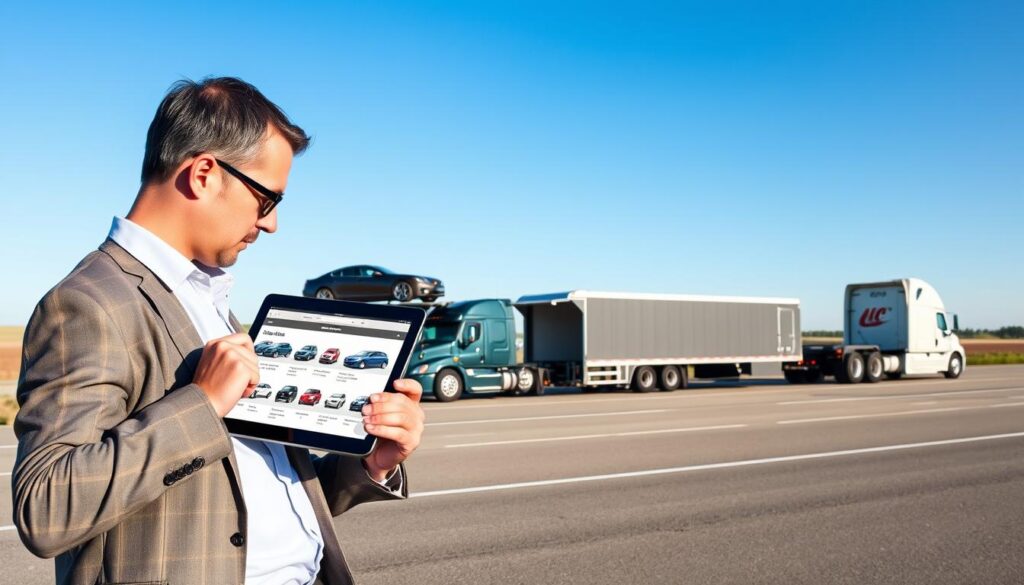
Deciding between driving and hiring a pro starts with a clear cost-versus-convenience check.
Driving vs. Shipping
Driving yourself may feel cheaper at first. But fuel, lodging, and wear add up. Time spent on the road can affect work and schedules.
When miles and time matter, a paid service often saves more than money—it saves time.
Using a Professional Service
Professional auto transport uses trained drivers and vetted carriers. This reduces handling risk and protects vehicles during long routes.
Enclosed transport is available for high-value or classic vehicles. It prevents weather and debris exposure and adds peace of mind.
- Compare multiple quotes to check pricing, delivery windows, and insurance coverage.
- Confirm pickup options: door-to-door or terminal delivery affects convenience and price.
- Check carrier ratings and inspection protocols before booking.
| Option | Typical Cost Factors | Best For |
|---|---|---|
| Drive Yourself | Fuel, lodging, time, wear | Flexible schedule, short trips |
| Open Auto Transport | Lower price, faster availability | Everyday vehicles, standard protection |
| Enclosed Transport | Higher price, premium protection | Classic and high-value vehicles |
Key Factors Influencing Your Shipping Costs
Predictable pricing starts with knowing which elements most affect a transport quote. Clear knowledge helps customers plan budgets and choose suitable services without surprise fees.
Distance and Route
Longer routes mean more miles, driver time, and labor. A coast-to-coast run or a route with limited carrier traffic will raise the price and extend transit days.
Vehicle Size and Type
Larger vehicles take more space on a carrier. SUVs, trucks, and oversized vehicles often cost more than standard sedans. Vehicle condition also matters; inoperable units require special equipment.
Fuel Price Fluctuations
Fuel is volatile. Carriers adjust quotes when prices change. Transparent pricing ensures any fuel surcharge is shown up front so customers see the breakdown of cost components.
“Review quotes for base price, fuel surcharges, and any extra fees to avoid surprises.”
Tip: Request multiple quotes, compare delivery windows, and check carrier ratings to find the best balance of price and service.
Preparing Your Vehicle for Transit
Simple, consistent preparation steps help ensure a smooth auto transport experience.
Remove all personal items from the interior before pickup. Most carriers prohibit belongings. This protects both the customer and the carrier and keeps insurance valid.
Perform a detailed inspection and take time-stamped photos of any existing dents, scratches, or mechanical issues. Keep the images with the shipment paperwork for insurance or claims.
Leave the fuel tank at roughly a quarter full. A low level reduces weight and simplifies loading without impacting driver access for short moves.
Disable aftermarket alarms and secure loose parts. This prevents battery drain and avoids delays during transit.
- Check fluids and tires: fix leaks and ensure the vehicle can be driven onto the carrier.
- Document condition: photos plus a signed inspection report protect customer coverage.
- Confirm pickup details: verify dates, times, and contact info when you accept a quote or book service.
“A brief pre-shipment inspection saves time and protects your shipment.”
Selecting a Reliable Auto Transport Company
Choosing the right company requires targeted checks: credentials, insurance, and clear pricing terms.
Vetting Carrier Credentials
Start with verified documentation. Confirm the carrier is licensed, insured, and registered with DOT records. For example, Oklahoma City Auto Shipping Group lists DOT number 2239008.
Check company ratings and promises. Nexus Auto Transport holds a 4.7 out of 5 rating. Sherpa Auto Transport uses a Price Lock Promise that supports transparent pricing.
Navi Auto Transport offers price matching and one-day pickup options. Those features speed pickup and reduce hold times.
- Verify insurance coverage and inspection procedures before a quote is final.
- Ask for written confirmation of delivery windows and any extra fees.
- Confirm whether enclosed transport is available for higher-value vehicles.
“A verified license and clear policy are the best protections for any vehicle during a long move.”
When customers focus on credentials and transparent terms, they reduce risk and improve the chance of on-time delivery. For direct help, contact info@bestcarshippinginc.com or call (307) 288-5972.
Comparing Open and Enclosed Carrier Services
Open trailers and enclosed carriers offer distinct trade-offs in price and protection.
Open carrier service is the common choice for everyday vehicle moves. It lowers cost by hauling many vehicles at once. Transit times are often faster and quotes tend to be lower.
Enclosed transport adds a layer of protection. It shelters a vehicle from weather, road debris, and dust. Customers with luxury or classic vehicles prefer this for added peace of mind.
The right choice depends on vehicle value and budget. Review insurance coverage, delivery windows, and pickup options before you book. A clear comparison reduces surprises in pricing and days in transit.
“Select the carrier that matches your risk tolerance and the vehicle’s value.”
- Open carriers: cost-effective, faster availability, standard protection.
- Enclosed carriers: higher price, premium protection, ideal for high-value vehicles.
- Decide based on value, route, and required insurance coverage.
| Service Type | Protection Level | Typical Cost | Best For |
|---|---|---|---|
| Open Carrier | Standard exposure | Lower | Everyday vehicles, quick quotes |
| Enclosed Carrier | High — weather and debris shielded | Higher | Classic, luxury, or show vehicles |
| Hybrid Options | Moderate (limited availability) | Mid-range | Customers needing extra care on select routes |
For help choosing a service or getting a precise quote, contact the company at info@bestcarshippinginc.com or (307) 288-5972.
Navigating Seasonal Demand and Weather Impacts
Seasonal peaks shift carrier capacity and often change the expected pickup and delivery windows. Planning around high-demand periods helps customers avoid last-minute price increases and limited availability.
Peak Season Considerations
Summer months and holiday periods increase requests for car shipping services. That demand can raise pricing and extend wait times for a quote and pickup.
Book early when possible. Off-peak booking usually yields lower prices and more flexible dates for delivery.
Weather-Related Delays
Severe weather affects long-distance auto transport. Storms, flooding, and winter conditions can force carriers to reroute or pause operations.
Carriers monitor forecasts and adjust schedules to protect vehicles. Minor delays are common; major storms may add several days to transit times.
Tip: Discuss expected dates and insurance coverage with your carrier before booking. Clear communication sets realistic expectations for shipment timing and cost.
“Plan early, expect seasonal shifts, and stay in contact with carriers for the smoothest delivery experience.”
Understanding Insurance Coverage and Protection
Confirming liability and cargo limits before pickup prevents costly surprises later.
Every reputable auto transport company must carry cargo insurance to protect a vehicle during transit. Customers should ask for policy limits and the carrier’s liability terms before accepting a quote.
Personal policies often exclude coverage while a vehicle is on a carrier. Contact your insurer to confirm. If gaps exist, consider supplemental protection or a third-party policy.
Document condition with time-stamped photos and a signed inspection report at pickup and delivery. This evidence speeds claims and reduces disputes over pre-existing damage.
- Verify carrier cargo limits and deductible amounts.
- Confirm whether additional insurance is offered and at what price.
- Keep inspection photos and paperwork accessible for any claim.
| Item | What to Verify | Why It Matters |
|---|---|---|
| Cargo Insurance | Policy limits, exclusions, deductible | Defines financial protection for damage during transit |
| Personal Policy | Coverage while on carrier, claim process | Identifies coverage gaps and need for extras |
| Documentation | Pre/post inspection photos, signed report | Proof for timely, accurate claims |
“Understanding the coverage provided gives customers peace of mind throughout the shipment.”
For questions about coverage or to review options, contact info@bestcarshippinginc.com or call (307) 288-5972.
Managing Pickup and Delivery Logistics
A clear pickup schedule and options for delivery make the whole transport easier to manage. Planning these details reduces delays and unexpected costs.
Decide between door-to-door and terminal delivery before confirming a quote. Door-to-door service offers the most convenience by collecting and returning the vehicle as close to the residence as is legally possible.
Door-to-door and Terminal Options
Terminal delivery requires the owner to drop off or pick up at a facility. This option can lower the price and simplify routing for carriers.
Some neighborhoods restrict large trucks. In those cases, carriers will arrange a nearby meeting spot such as a parking lot. Clear directions and a confirmed pickup time help drivers meet expectations.
Communicate with your driver about gate codes, parking limits, and best contact numbers. Doing so streamlines handoff and protects the vehicle during transfer.
- Confirm pickup dates and expected delivery windows in writing.
- Ask about enclosed transport if extra protection is needed for high-value vehicles.
- Keep inspection photos and the carrier’s insurance details ready at handoff.
“Clear logistics and steady communication keep the shipment on schedule.”
Essential Documentation for Your Shipment
Gathering the right paperwork before pickup saves time and prevents disputes later.
The Bill of Lading is the primary document. It acts as a receipt and records the vehicle’s condition at handoff.
Bring proof of insurance and current registration when the driver arrives. These documents speed verification and protect both parties.
If the move is part of a military PCS, keep orders available. Bases and state offices often require them for access and registration.
“Review every line and confirm the recorded condition before you sign any paperwork.”
Before signing, read the carrier’s terms and verify that inspection notes match your photos. Keep copies of all forms for claims or questions about pricing, delivery, or days in transit.
For a thorough checklist and booking options, consult our detailed shipment checklist and contact the company with any documentation questions.
State Regulations for Oklahoma and Florida
Understanding each state’s motor vehicle requirements prevents delays and unexpected penalties.
Oklahoma Registration Requirements
New residents must register a vehicle within 30 days of establishing residency. This rule avoids citations and overdue fees.
Minimum liability limits required by state law are $25,000 bodily injury per person, $50,000 per accident, and $25,000 property damage.
Carry proof of registration and current insurance at pickup and delivery. Confirm local DMV hours and any specific documents needed for title transfers.
Florida Insurance Mandates
Florida requires all registered vehicles to have at least $10,000 in Personal Injury Protection (PIP) and $10,000 in Property Damage Liability (PDL).
Verify coverage before transport. Personal policies often change when a vehicle is on a carrier, so check with your insurer to close any gaps.
- Register within deadlines to avoid fines and registration holds.
- Confirm liability and PIP/PDL limits before booking a transport service.
- Bring inspection photos and proof of insurance at handoff to speed any claims.
“Checking state rules and insurance limits ahead of a move protects customers and keeps delivery on schedule.”
For assistance with documents, contact the company at info@bestcarshippinginc.com or call (307) 288-5972.
Tips for Reducing Your Total Transport Price
Small scheduling shifts and simple choices can cut the total transport bill without sacrificing safety.
Be flexible with pickup and delivery dates. Carriers often lower prices when they can group routes. Shifting dates by a few days can reduce costs and shorten wait times.
Choosing an open carrier instead of enclosed transport is one of the fastest ways to lower the overall price. Open trailers carry more vehicles and offer lower per-mile rates.
Book at least two to three weeks ahead. Early bookings let carriers plan routes and offer better quotes. Off-season moves also tend to be cheaper.
“Compare multiple quotes and check carrier ratings before you commit.”
Compare offers from several companies and inspect what each quote includes: base price, fuel surcharges, insurance coverage, and pickup options. Small differences add up and affect the final cost.
For tips on long runs and seasonal pricing, see our long-haul car shipping tips. Customers who plan ahead save time and money.
Coordinating with Moving Services
When a mover includes vehicle handling, it shortens the logistics chain and centralizes responsibility. This helps customers manage one point of contact for household and auto transport services.
Plan pickup and delivery windows so the vehicle arrival aligns with household goods. Clear dates reduce wait times and avoid storage fees.
Ask for a written breakdown of the auto portion of the quote. Request line-items for fuel surcharges, insurance, and any door versus terminal options.
Verify the mover’s vehicle partner. Confirm DOT registration, insurance limits, and recent customer ratings. Reputation checks protect the shipment and the customer’s schedule.
“Bundling services saves time, but verification and a detailed quote keep surprises out of a move.”
- Confirm pickup and delivery contact names and arrival windows.
- Request inspection steps and required documents at handoff.
- Ask how delays will be handled and who is responsible for claims.
| Coordination Item | What to Request | Why It Matters |
|---|---|---|
| Bundled Quote | Itemized auto transport fees and pickup/delivery dates | Shows true cost and keeps schedules aligned |
| Carrier Verification | DOT number, insurance limits, company rating | Confirms legal protection and service reliability |
| Logistics Plan | Pickup window, delivery window, contact protocol | Reduces delays and coordinates arrival with household goods |
For help coordinating a bundled move, contact the company at info@bestcarshippinginc.com or call (307) 288-5972.
Handling Inoperable or Specialty Vehicles
When a vehicle cannot roll, operators use winches and ramps to load it safely onto the carrier.
Non-running units need specialized equipment and trained handlers. Notify the transport company in advance so they assign the right truck and tools.
Specialty models, such as classic automobiles and motorcycles, often travel best inside an enclosed transport service. That protection limits exposure to weather and road debris.
Handling these moves requires extra care. Drivers will perform a thorough inspection and document condition before pickup and after delivery to protect both parties.
“Proper equipment and experienced carriers reduce risk and help ensure a flawless delivery.”
- Tell the company if the vehicle is not operational when requesting a quote.
- Ask about winch capability, ramps, and any extra cost for handling.
- Request carriers with high ratings and specialty experience.
| Situation | Required Equipment | Recommended Service |
|---|---|---|
| Non-running vehicle | Winch, ramp, lift | Door pickup with experienced carrier |
| Classic or show vehicle | Secure tie-downs, soft straps | Enclosed transport for maximum protection |
| Motorcycle or small specialty | Chocks, straps, pallet options | Dedicated handling by specialty carriers |
For help locating vetted carriers for non-running or specialty moves, see our Oklahoma vehicle transport services or contact info@bestcarshippinginc.com.
Tracking Your Vehicle During Transit
Access to live location updates helps schedule arrivals and final handoffs with confidence.
Most modern transport companies offer real-time tracking. Customers receive a unique booking number and an online portal link. This makes it simple to check progress from pickup to final delivery.
Staying informed helps plan the exact pickup delivery window and reduces wait time at the destination. Notifications often include GPS location, estimated days in transit, and route changes.
If questions arise, many providers offer live chat or a direct line to a shipping agent. Speaking with an agent clarifies status, insurance coverage, and any adjustments to the quote or price.
- Use the booking number to view updates and documents online.
- Watch arrival notifications to prepare for handoff and any door pickup steps.
- Contact the company if the shipment deviates from the expected schedule.
“Real-time tracking turns uncertainty into useful planning, keeping customers informed and in control.”
For help with tracking or to confirm delivery dates, contact the team at info@bestcarshippinginc.com or call (307) 288-5972.
Conclusion
Picking a reputable carrier is the single most important decision for a stress-free vehicle move. It ensures clear timelines, verified insurance, and careful handling from pickup through delivery.
Request a quote from multiple providers and compare line items. Look for transparent pricing, documented inspections, and carrier credentials before you commit.
Use this resource and our service examples, such as the route example and tips, to make informed decisions. Choosing the best car shipping option and the best car partner protects your asset and reduces stress.
For help or to get a fast quote, contact info@bestcarshippinginc.com or call (307) 288-5972. The team is ready to assist with clear, reliable service.