
Moving an inoperable vehicle requires planning and specialist handling. This introduction explains what factors affect pricing and how professional teams manage vehicles that cannot run under their own power.
Our auto transport crew uses equipment and protocols designed for safe loading, securement, and delivery. Each step reduces risk and protects value, whether the load is a classic project or a late-model vehicle.
Choosing an experienced carrier avoids common pitfalls. Proper preparation, clear documentation, and the right transport method make the process predictable and stress-free for owners across the United States.
Readers will learn which service choices matter most and how to evaluate carriers. The next sections break down logistics, timelines, and protective measures so owners can make confident decisions.
Key Takeaways
- Specialized handling is essential for non-running units.
- Secure loading and tie-downs protect your vehicle during transit.
- Experienced carriers reduce damage and delivery delays.
- Clear paperwork and communication speed up pickup and drop-off.
- Choosing the right transport option matches safety with budget.
Understanding the Challenges of Inoperable Vehicle Transport

When a vehicle lacks power, every step from pickup through delivery needs extra coordination. This situation changes the way crews plan staging, loading, and transit.
Defining Inoperable Status
An inoperable vehicle cannot move under its own power and often requires winch-on loading. Such units need dedicated car transport equipment and must be staged in clear space at busy terminals.
Why Specialized Handling Matters
Professional carriers assign trained teams for these moves. Loading a non-running vehicle takes more time and labor than standard pickup. Improper methods raise risk during handling and shipping.
- Winch and tie-down equipment protect delicate frames.
- Coordinated pickup minimizes wait time for trucks.
- Experienced companies plan unique handling for each unit.
Assessing Your Vehicle Condition for Accurate Quotes
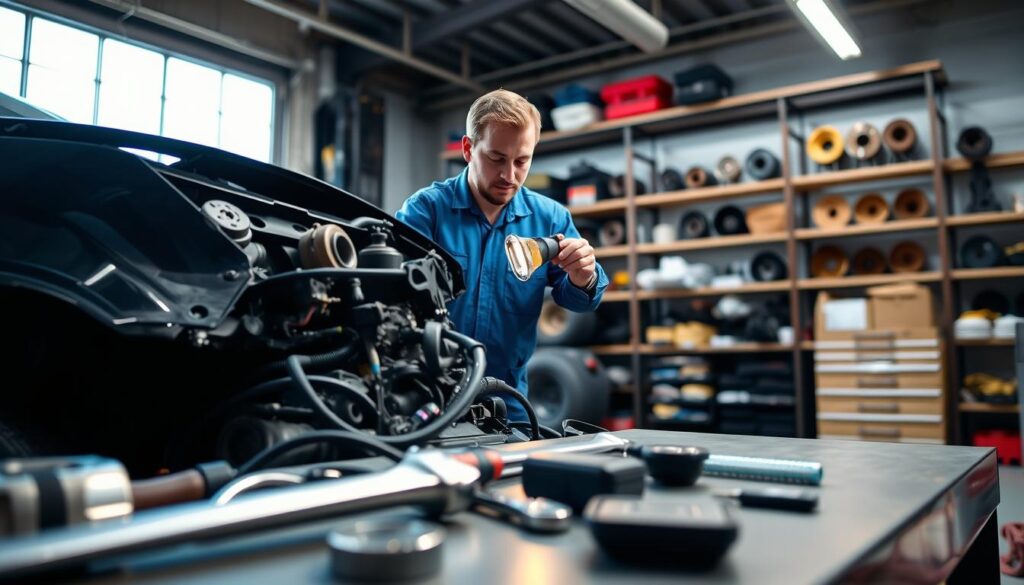
A clear, honest assessment of your vehicle’s condition gives carriers the facts they need for an accurate quote.
Owners should report whether the car will roll steer and if the brakes work. These details let companies choose the right winch and trailer. Small facts can change an auto transport estimate quickly.
Document mechanical issues like a seized engine, missing brakes, or damaged suspension. Photos and notes reduce surprises and prevent delays at pickup.
Whether moving a project or a classic, describe the car roll status clearly. Intercity Lines has helped owners since 1980 and relies on accurate information to offer transparent shipping quote estimates.
- Provide movement status: can the vehicle roll or steer?
- List issues: brakes, engine seizure, missing parts.
- Send photos: exterior, tires, undercarriage.
| Condition Detail | Why It Matters | Carrier Action |
|---|---|---|
| Roll / steer functional | Easier loading and tie-down | Standard winch-on trailer |
| Brakes non-functional | Requires extra labor and gear | Hydraulic dollies or flatbed |
| Seized engine or missing parts | Higher risk and special handling | Specialized equipment and team |
For a practical guide on options and pricing, see our page on the cheapest way for non-running vehicle moves.
Determining the Cost to Ship a Non-Running Car in the USA
Final pricing for inoperable units depends on several practical factors beyond base mileage.
Factors Influencing Final Pricing
Labor and handling. Non-running vehicles need extra manpower for loading and securement. That typically results in a surcharge of $100–$300 for domestic moves and $350–$600 when loading into international containers.
Specialized equipment. Winches, hydraulic dollies, and forklifts change costs. Forklift lifts often add about $150 per hour to the total.
- Vehicle condition: whether the car can roll steer or needs full winch-on service.
- Pickup and delivery access: tight spaces, curbs, or remote sites increase time and price.
- Transport type: flatbed or enclosed trailers alter the quote.
| Cost Driver | Typical Impact | Carrier Action |
|---|---|---|
| Surcharge for inoperable status | $100–$300 domestic / $350–$600 international | Applies added labor and securement fees |
| Forklift or crane | ~$150 per hour | Contracts third-party equipment and operator |
| Access and time | Varies by site; affects ETA and price | Planner schedules extra crew or alternate equipment |
Transparent quoting. The company provides a clear shipping non-running quote that reflects time, equipment, and service needs. For details on movement requirements, see our guide on whether a vehicle must run for.
Comparing Open Versus Enclosed Transport Options
Selecting the right trailer type affects protection, handling, and equipment needs during transit. Owners should match the method to vehicle value and condition. The decision influences loading technique and the level of weather and debris protection.
Benefits of Enclosed Trailers
Enclosed transport shields high‑value and project cars from road debris and harsh weather. This method keeps delicate finishes and restorations pristine. It also reduces theft risk and limits exposure during long hauls.
Enclosed trailers often include hydraulic liftgates. These lifts are essential for safe loading of vehicles that cannot roll. Carriers use specialized equipment and securement points inside the trailer to prevent movement and avoid damage.
When Open Transport Suffices
Open car transport is a cost‑effective way to move everyday models. It works well when a vehicle is drivable and not undergoing restoration.
However, open trailers expose vehicles to elements and road debris. For classic, exotic, or project vehicles, enclosed transport remains the recommended option to maintain condition and value.
- Use enclosed for restoration projects and high‑value cars.
- Consider open for routine, drivable vehicles where budget matters.
- Confirm equipment like liftgates and tie‑downs when booking transport.
Essential Equipment for Safe Loading and Unloading
Reliable gear and trained crews ensure every loading step is efficient and secure for each car transport move.
Professional carriers rely on a 9,000-lb winch as standard. This winch handles most inoperable vehicles during the loading unloading process.
Clear communication about car roll status helps teams bring the right tools. If the battery is dead, jump packs arrive with the crew.
- Hydraulic liftgates on trucks prevent dragging and reduce damage risk.
- Soft-strap tie-downs secure any vehicle that can roll steer inside the trailer.
- Wheel skates and wood blocks assist when brakes are non-functional.
- Insurance covers the unit during transport time for added protection.
These measures cut handling time and lower incident risk. Owners get peace of mind knowing equipment and procedures match the vehicle condition.
Preparing Your Vehicle for Professional Transit
Take simple, clear steps before pickup. Secure loose components and remove personal items. This prevents damage and speeds the loading process.
Securing Loose Components
Check trim, mirrors, and any aftermarket parts. Fasten or remove pieces that could shift. Label small parts and pack them separately.
Managing Fluid Levels
Verify there are no active leaks. Keep fluid levels safe for handling but avoid overfilling tanks.
Disconnect a dead battery if present. This reduces electrical risk during transit.
Documenting Vehicle Condition
Photograph all sides, tires, and any existing damage. Date-stamped images protect owners if issues arise at delivery.
“Clear photos and honest notes make claims and inspections faster and fairer.”
- Ensure tires are inflated for easier loading.
- Note brake condition and any steering issues.
- Keep documentation handy at pickup for the carrier.
| Preparation Step | Why It Matters | Carrier Expectation |
|---|---|---|
| Secure loose parts | Reduces damage and debris inside trailer | Ready for standard tie-downs |
| Check fluids and leaks | Prevents spills and handling delays | No additional containment required |
| Document condition | Supports claims and final inspection | Photos accepted at pickup |
For specific guidance before pickup, request a detailed pre-shipment checklist. Our team provides a transparent quote and clear instructions so delivery proceeds without surprise.
Verifying Carrier Credentials and Insurance Coverage
Start by confirming USDOT and MC numbers. These identifiers prove a carrier has legal authority for auto transport operations. Ask the company for their numbers and check them on federal registries.
Request proof of cargo insurance before pickup. A reputable carrier provides certificates showing coverage limits and policy dates. Keep a copy with your shipment records.
Inspect the carrier’s equipment condition. Verify that enclosed transport trailers and winches meet your safety expectations. Note any visible wear and ask about maintenance logs.
- Confirm operating authority (USDOT / MC) with the carrier.
- Obtain a cargo insurance certificate and policy summary.
- Check enclosed trailer condition and secured tie‑down points.
- Research the company’s track record and customer reviews.
“Transparency on credentials and insurance reduces risk and speeds claims resolution.”
| Check | Why it matters | Action |
|---|---|---|
| USDOT / MC numbers | Legal authority and safety record | Verify online and save the reference |
| Cargo insurance | Protects vehicle during transit | Request certificate and limits |
| Equipment condition | Reduces handling damage risk | Inspect trailer and ask about maintenance |
For an accurate estimate and vetted carriers, request a vehicle shipping estimate. Contact Best Car Shipping at (307) 288-5972 or info@bestcarshippinginc.com for assistance.
Navigating International Shipping for Project Cars
Shipping a restoration project overseas requires precise bracing and an experienced logistics team.
Customs and documentation requirements are strict. Export manifests, commercial invoices, and bonded paperwork must match the vehicle condition and packing list. Best Car Shipping prepares these forms and includes them in the shipping quote.
International moves demand specialized equipment. Custom braces lock the chassis inside a steel container. That hardware prevents movement during ocean transit.
The company manages the complex loading unloading process. Crews use engineered supports, remove loose parts such as tires when needed, and secure small components in labeled crates.
- Comprehensive quote: includes customs documentation and handling fees.
- Insurance: West Coast Shipping provides up to $1.5M coverage per shipment.
- Regular sailings: weekly departures reach 48 countries for predictable transit times.
“Proper preparation and certified braces reduce risk and speed release at foreign ports.”
For regional routing details, see our Florida to North Dakota route details or contact (307) 288-5972 for a tailored quote.
Avoiding Common Pitfalls During the Transport Process
A clear bill of lading and upfront insurance limits stop most disputes before they start. Car owners should insist that condition is recorded in writing at pickup and that coverage is shown on the booking.
Verify an inoperable vehicle will be handled by trained crews. Ask whether the carrier owns trucks and the right equipment, such as winches and dollies. Brokers without trucks may reduce control over the service.
Prepare the car carefully. Fasten or remove loose trim and secure small parts. Note brakes and tires so crews arrive ready. Address minor issues early to avoid on-site delays or damage.
Demand a detailed bill of lading that lists existing marks and mechanical notes. That record speeds claims and prevents disputes with companies or third parties.
“Choose verified carriers with the correct gear and written records; it is the surest way to protect vehicles during shipping.”
For guidance on engine issues and handling, see our page on car shipping with engine problems. Contact Best Car Shipping at (307) 288-5972 or info@bestcarshippinginc.com for help.
Conclusion
A well-planned move reduces risk and keeps timelines predictable.
Shipping non-running vehicles demands trained crews, proper equipment, and clear paperwork. BestCarShipping provides transparent pricing and an honest shipping quote so owners can plan with confidence.
Whether choosing open or enclosed transport, the team focuses on protection and careful handling. Follow preparation steps and document vehicle condition to avoid damage and speed delivery.
Request a free estimate through our vehicle shipping calculator or contact (307) 288-5972 or info@bestcarshippinginc.com for a tailored shipping quote and professional auto transport support.