
Rohnert Park Transmission & Auto Repair has served Sonoma County for nearly 30 years. The shop offers ATRA certified technicians who run professional diagnostics and clear, practical guidance.
A slipping transmission means power flow from the engine to the wheels is compromised. That problem can start small but worsen over time. Ignoring a minor fault often leads to full failure and costly repair bills.
The team provides detailed auto repair and service information. Drivers get facts that help decide when a car must see a mechanic. Prompt attention keeps vehicles reliable and reduces the risk of sudden power loss on the road.
Key Takeaways
- Early diagnosis by ATRA certified techs prevents bigger repair costs.
- Slipping indicates compromised power transfer from engine to wheels.
- Rohnert Park has nearly three decades of local experience.
- Timely service keeps a car reliable and reduces roadside risks.
- Contact a qualified mechanic for clear repair details and next steps.
Understanding Transmission Slipping
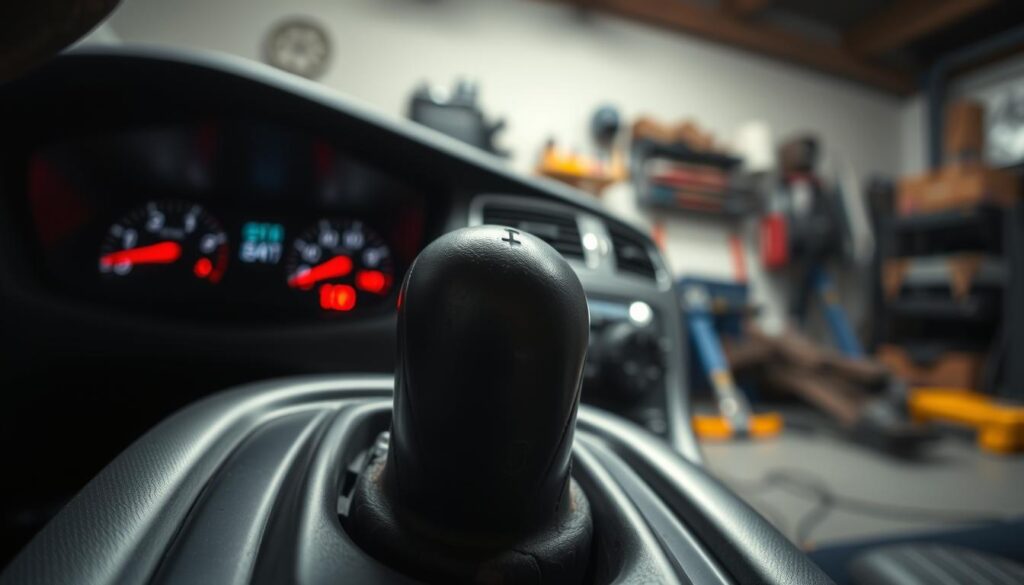
Many drivers notice a gap between engine sound and actual acceleration before a major fault appears.
Transmission slipping occurs when a vehicle fails to engage or hold gears during normal operation. The engine may rev higher while the car shows little gain in speed. That mismatch signals problems inside the gearbox.
The transmission transfers power from the engine to the wheels. When gears do not engage properly, power delivery becomes inconsistent. Unexpected gear changes and poor acceleration are common symptoms.
- Mechanical failure where gears fail to maintain engagement, causing uneven power flow.
- High engine RPM with limited acceleration, creating a feeling of disconnection.
- Repeated symptoms often point to worn internal parts struggling with gear changes.
Understanding these symptoms helps owners recognize an emerging issue early and seek professional diagnostics before costs rise.
Common Warning Signs of Transmission Issues
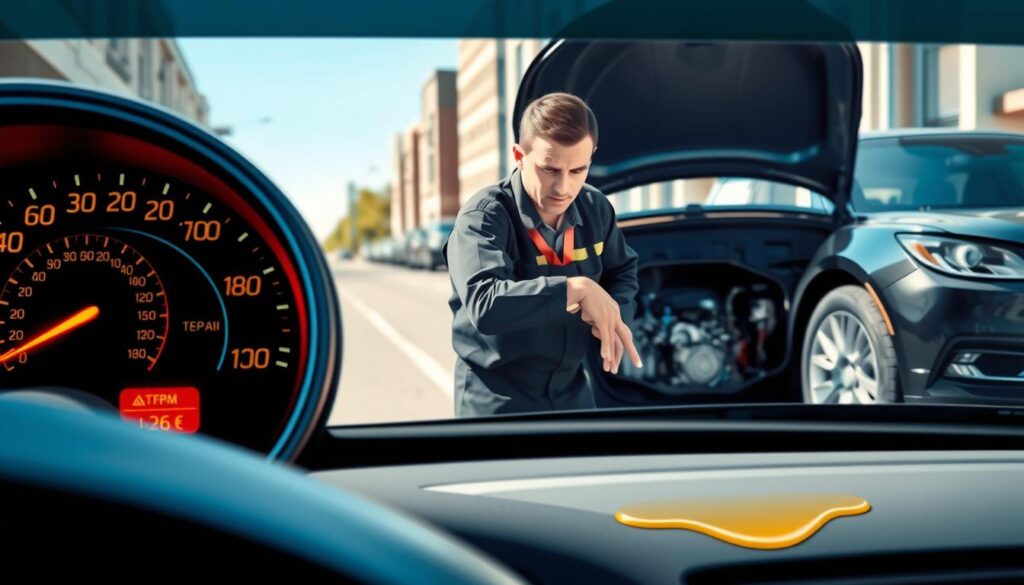
Drivers often notice odd behavior during gear changes before any dashboard warnings appear.
Delayed Engagement
Delayed engagement happens when the car hesitates after selecting Drive or Reverse. The vehicle may take several seconds to move while the engine revs.
This delay is one of eight primary signs drivers should monitor. Repeated episodes mean a professional should check the system without delay.
RPM Spikes
RPM spikes without corresponding acceleration are classic symptoms that gears are not holding properly. The engine jumps in RPM, yet speed lags.
Such behavior often signals slippage and requires a timely inspection. Ignoring repeated spikes can turn a small problem into a major repair.
Burning Odors
A burning smell often indicates overheating transmission fluid from excess friction. That odor is serious and appears before severe damage.
When the check engine light illuminates alongside a burning scent, call a qualified technician. Quick action can limit repair costs and protect vehicle reliability.
“Monitor these signs closely; a sudden change in how your gears shift can indicate failing components.”
- Delayed gear engagement after selecting Drive.
- RPM spikes with low acceleration.
- Burning odor from overheating fluid.
- Illuminated check engine light as a warning sign.
Is It Safe to Drive with Transmission Slipping
A slipping transmission creates sudden, unpredictable behavior that can turn routine travel into an emergency.
Do not continue a long drive when a car shows signs of gear slippage. The risk includes sudden loss of power on busy roads and highways.
Unpredictable gear changes can leave a driver stranded or force unsafe maneuvers. The check engine light often appears as the first clear warning that problems are developing.
“Stopping early and seeking professional diagnostics limits damage and protects occupants on every trip.”
- Never attempt a long drive after noticing slipping; safety takes priority.
- A sudden power drop on the highway creates a high-risk situation for other drivers.
- Ignoring symptoms can lead to complete transmission failure and extensive internal damage.
| Situation | Immediate Action | Risk |
|---|---|---|
| Intermittent gear hesitation | Pullover at safe spot and call for help | Increased accident likelihood |
| Check engine light plus poor acceleration | Arrange professional inspection | Potential complete transmission replacement |
| Repeated slipping during a long drive | Cancel trip and tow vehicle | Severe internal damage, high repair cost |
Contact a qualified technician if driving slipping transmission occurs. For assistance, email info@bestcarshippinginc.com or call (307) 288-5972.
Primary Causes of Gear Slippage
Loss of reliable gear engagement usually traces back to a few common mechanical faults.
Worn Clutch Packs
Worn clutch packs are critical parts that lose their grip over time. That wear prevents efficient transfer of power engine wheels during high speed.
When clutch material thins, gears slip under load. Often, this problem needs a complete rebuild rather than a simple parts swap.
Faulty Solenoids
Faulty solenoids stop the gearbox from routing fluid properly. Erratic pressure causes uneven gear engagement and sudden shifts.
Solenoid replacement can restore normal operation quickly, though diagnostics must confirm no further internal damage.
“Addressing causes early reduces repair costs and limits further damage.”
- Worn clutch packs reduce grip and cause slipping under load.
- Bad solenoids prevent correct fluid control and cause erratic shifts.
- Degraded fluid fails to lubricate parts and speeds up wear.
- Professional repair or replacement often required for lasting results.
The Role of Transmission Fluid in Vehicle Performance
Clean, correctly matched fluid keeps gears responsive and prevents overheating under load.
Transmission fluid lubricates moving parts, cools hot components, and creates the hydraulic pressure needed for each gear to engage. Without proper fluid, a car loses power and gear engagement becomes erratic.
Check the fluid level while the engine is idling and the vehicle is in Park. That procedure gives an accurate reading for service decisions.
Using the correct type of fluid matters. Modern automatic systems require specific additives. Wrong type leads to poor performance and can cause slipping transmission symptoms.
- Proper fluid acts as a hydraulic medium for every gear.
- Low fluid level calls for prompt professional service to protect power output.
- Regular inspection keeps the system cool and reduces internal wear.
“Maintaining the right fluid and level is a simple step that prevents costly repairs.”
For help, contact service at (307) 288-5972 or email info@bestcarshippinginc.com.
Diagnostic Procedures for Transmission Problems
Professional testing uncovers the precise root cause behind odd gear behavior.
Professional Inspection
An experienced mechanic begins with a visual check for leaks and broken lines. They then assess fluid color and smell for contamination.
Next, technicians read error codes using scan tools. Modern sensors often trigger the check engine light when faults appear. Those codes guide further testing and prevent guesswork.
Typical diagnostic service fees range from $145.99 to $170.00 depending on vehicle make and model. That fee covers a full evaluation of each gear and related systems.
- Inspect fluid level and condition for signs of contamination.
- Scan for error codes tied to shifting or power delivery.
- Road-test the car to confirm symptoms and capture live data.
“A targeted diagnosis saves money by finding simple fixes before major repair is needed.”
Clear details from a certified shop help owners decide on repair, service, or rebuild. Call (307) 288-5972 or email info@bestcarshippinginc.com for an appointment.
Repair Versus Rebuild Options
A clear decision between repair and rebuild starts with a concrete assessment of internal damage.
Repair targets specific failed parts. A solenoid swap, gasket replacement, or fix for an external leak often restores normal power and gear response. Repairs cost less and return a car to service quickly when damage is localized.
Rebuild means full disassembly and replacement of worn parts. This option suits severe internal damage, worn clutch packs, or high-mileage units. A complete transmission rebuild restores hydraulic function and reduces the chance of repeat failure.
“Choosing a rebuild when many components show wear prevents repeated service visits and protects long-term performance.”
- A repair provides cost-effective relief for isolated component failure.
- A complete transmission rebuild restores power and gear function after extensive damage.
- Use high-quality parts for either repair or replacement to limit future fluid contamination and wear.
- Technicians recommend replacement of worn components during a rebuild to match the original type and performance.
For a clear recommendation and honest pricing, call (307) 288-5972 or email info@bestcarshippinginc.com.
Preventive Maintenance for Long-Term Reliability
Keeping fluids clean and levels correct protects internal parts and preserves gear engagement.
Regular maintenance prevents a small issue from becoming a major repair. Check fluid level at scheduled intervals and look for dark color or a burnt odor. A clean, correctly matched fluid supports hydraulic power and consistent gear shifts at every speed.
A professional service should perform a drain-and-fill when signs of trouble appear. That option is often better than a full flush when the gearbox already shows wear. High mileage and normal wear may still require component replacement over time.
- Consistent maintenance helps avoid a slipping transmission issue during a long drive.
- Check fluid level frequently so the system keeps enough power for smooth gear changes.
- Schedule a professional fluid change and inspection to reduce repair risk and further damage.
- If driving slipping transmission occurs, stop and seek roadside help to prevent full replacement.
“Routine care protects investment and keeps a car reliable on every trip.”
For professional service and honest advice, call (307) 288-5972 or email info@bestcarshippinginc.com.
Conclusion
Early attention prevents a small gearbox fault from turning into an expensive repair.,
Addressing transmission slipping at first warning protects a car and limits roadside risk. Owners who note odd signs or strange fluid color should contact a qualified mechanic right away.
Regular service keeps hydraulic pressure and clutch parts working. That routine care reduces the chance of major problems during a long drive.
Rohnert Park Transmission & Auto Repair provides honest details, prompt diagnostics, and certified repair work. For service or questions, call (307) 288-5972 or email info@bestcarshippinginc.com.