
Deciding whether to sell or transport a disabled vehicle during a move is a common challenge. Owners must weigh current finances against long-term value. Short, clear facts help make the choice easier.
This guide outlines practical steps. It shows how to compare a car shipping quote with replacement costs. It also explains when an auto transport company adds real value.
Many owners feel attached to their primary mode of transport. That feeling affects decisions as much as numbers. Our team offers direct, reliable advice to simplify the process.
For a fast comparison or a transparent quote, review affordable options like cheap car shipping. Contact the company for a clear assessment by location and time.
Key Takeaways
- Compare an auto transport quote to replacement costs before you decide.
- Assess the vehicle’s future value and repair outlook.
- Consider emotional factors alongside practical ones.
- A trusted transport service simplifies long moves.
- Ask for a clear quote and location-based timing before choosing.
The Dilemma of Relocating with a Vehicle
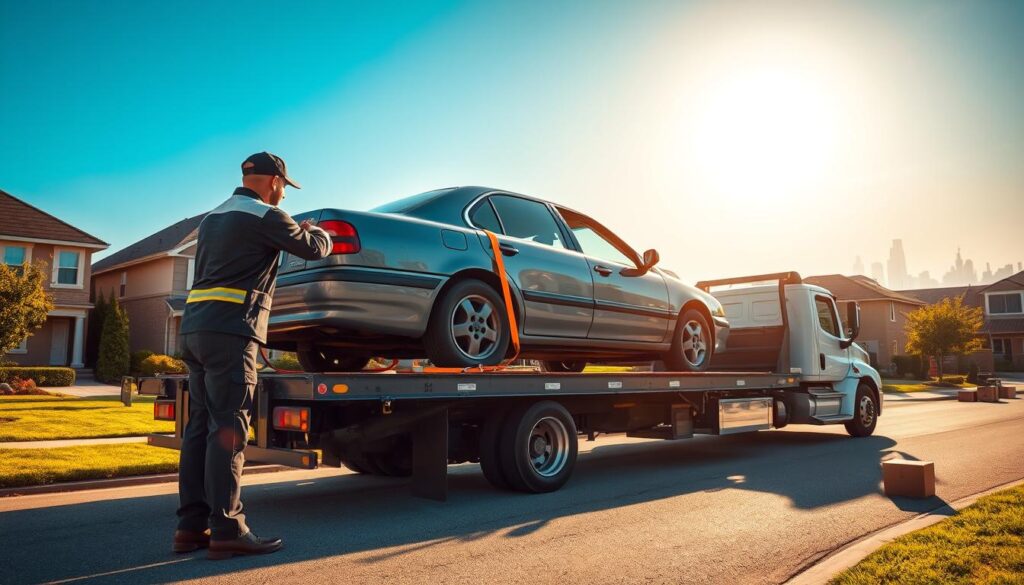
Moving and managing a vehicle at the same time can complicate logistics quickly. Owners must weigh convenience against cost when deciding whether to transport a vehicle or choose an alternative.
Reputable auto transport companies reduce stress by handling pickup, carrier tracking, and delivery. Customers report that timely pickup and professional drivers matter most.
Real users confirm the value:
“On-time delivery and clear tracking made my move simple.” – Bruce Y, Kansas City, KS
The right transport company offers home pickup, door-to-door service, and a transparent quote by location. Henry D, Daniel A, Luis C, and Tara K all highlight reliability, fair pricing, and online tracking as deciding factors.
Below is a quick comparison of common service options to help plan a move.
| Service | Benefit | Typical Use |
|---|---|---|
| Door-to-door transport | Convenience and minimal handling | Single vehicle relocations, home pickup |
| Terminal-to-terminal | Lower cost with scheduled drop-off | Flexible schedules and budget moves |
| Enclosed transport | Extra protection for high-value vehicles | Luxury or collectible vehicles |
| Open carrier | Most economical for common vehicles | Standard relocations and long-distance moves |
- Get a clear, location-based quote before you commit.
- Confirm carrier insurance and driver credentials.
- Compare service types to match budget and care needs.
For a quick cost reference, check a detailed guide on how much it may cost to relocate a vehicle: transport cost guide.
Key Factors Influencing Your Decision

Where you live and how far you move can change the whole cost picture for transporting a vehicle. Start with a clear view of distance, access, and timing before choosing a service.
Distance and Location
Distance directly affects price and delivery time. Longer routes raise fuel and driver costs, and those add to the final rate.
Rural pickup or tight urban streets can require special handling and extra time. That raises the quote for vehicle transport.
Vehicle Condition and Age
Assess the condition and age of the vehicle. Older vehicles may not justify professional transport expenses.
High-value and classic cars often need enclosed transport for protection. Standard models typically use open transport to lower cost.
“Choosing the right transport type saved me time and reduced surprises on delivery.” – Client testimonial
| Factor | Impact | Best option |
|---|---|---|
| Distance & location | Higher miles = higher price and delivery time | Compare door-to-door vs terminal pickup |
| Vehicle condition | Poor condition may need flatbed or local recovery | Local haul or sell locally if cost is excessive |
| Vehicle value | High value needs extra protection and insurance | Enclosed transport or specialty carriers |
For a tailored assessment, request a quote or learn how to ship your car to another state. Experts can help weigh these factors and recommend the most efficient plan.
Evaluating the Option to Sell Your Car
Choosing to sell rather than transport a vehicle often comes down to timing and replacement cost.
This option can simplify a move. Selling frees cash and removes the need to arrange a long haul. However, owners should weigh short-term gain against long-term needs at the destination.
Pros and Cons of Selling
- Immediate funds: A sale provides cash that can help cover move expenses or a new car purchase.
- Lower logistics: No need to arrange transport, which saves time and reduces planning stress.
- Condition matters: If the vehicle is in poor condition, selling locally may be more practical than paying to ship car long distances.
- Replacement cost: Selling means you may need to buy a new car after arrival, which affects overall value.
- Time trade-off: Private sale can take time, which is a drawback during a busy move.
Compare the direct cost of transport against the likely loss in value if forced to sell quickly. For a practical checklist and tips on handling an auto transport decision, review this short guide: top transport tips.
Understanding the Process of Selling Broken Car vs Shipping It
Deciding whether to transfer a non-running vehicle or find a buyer requires a clear, step-by-step view of the process.
Auto transport companies begin with a location-based quote. Scheduling a pickup is simple through a professional provider. Drivers perform a detailed inspection and record condition on the Bill of Lading before any move.
For inoperable units, companies like RoadRunner Auto Transport use winches and specialty equipment to safely load vehicles. Experienced carriers manage straps, ramps, and secure placement for delivery to the destination.
Compare the time and paperwork for a private sale against the convenience of a door-to-door service. Booking early often yields better rates and more flexible pickup windows.
| Step | What Happens | Why It Matters |
|---|---|---|
| Quote | Location-based estimate from an auto transport company | Sets expected cost and timing |
| Inspection | Driver documents condition on Bill of Lading | Protects owner and carrier for liability |
| Loading | Winch or ramp used for inoperable vehicles | Ensures safe handling and reduces damage risk |
| Delivery | Carrier confirms arrival at destination | Finalizes the move with signed paperwork |
For a quick quote and a clear comparison of options, visit car shipping. The team can explain whether a sell ship decision or full transport is the better option for your vehicle.
Financial and Logistical Considerations
An honest look at market value and transport rates clarifies the best route forward for many owners.
Market Value Analysis
Nationwide long-distance rates typically range from $800 to $2,000+ depending on distance, vehicle size, and season.
Rule of thumb: if transit costs approach 40–60% of a vehicle’s market value, selling may be the more sensible option. Owners should get a quick valuation and compare that to a professional quote.
Cost of Replacement
Replacing a vehicle after arrival can add taxes, registration fees, and unexpected dealer charges. Factor these into the total move budget.
Tip: use a shipping cost calculator and request a formal quote early to compare replacement costs against transport rates.
Time Constraints
Private sale can take weeks to close, while transport is usually faster when booked in advance. Last-minute bookings often raise the shipping cost and limit carrier options.
- Get a location-based quote early.
- Factor distance to destination and carrier availability into timing.
- Compare total cost, time, and value to choose the best option.
For a specific route estimate, see guidance on transporting your vehicle from California to and request a professional quote.
Safety and Preparation for Vehicle Transport
Safe vehicle transport relies on simple steps that protect value and reduce risk.
Before pickup, remove personal items over 100 lbs and lock valuables at home. Keep the trunk and back seat items below the window line. This reduces liability and weight for the carrier.
Keep about a 1/4 tank of gas. That level eases loading and limits added weight. Note that transit time is generally one day per 500 miles, so plan schedules and key dates accordingly.
Choose the right service: enclosed transport offers maximum protection for high-value vehicles. Open transport is more cost-effective for standard models.
| Prep Item | Why It Matters | Quick Tip |
|---|---|---|
| Personal items ≤100 lbs | Limits carrier liability and weight | Store small items below rear window line |
| 1/4 tank fuel | Makes loading safe and lighter | Top off only if needed; drain excess |
| Inspect and document condition | Protects owner and carrier with proof | Photograph panels, glass, and interior |
| Choose transport type | Matches value and budget | See options like enclosed transport |
Track the vehicle during transit and confirm pickup windows with the assigned driver. For questions about cost shipping, fees, or scheduling, contact pricing specialists at (888) 422-7584 or call (307) 288-5972.
Final note: follow the checklist, confirm the carrier and quote, and expect clear communication from the auto transport company to keep the move on time.
Final Verdict on Your Moving Strategy
The right moving decision blends emotion with clear numbers about transit and replacement.
Balance value and cost. If you choose to ship car, you keep a familiar vehicle and avoid the uncertainty of buying a new car at your destination.
If selling car feels wiser because of age or condition, that option can free funds and simplify the move. For many owners, the choice comes down to cost, time, and sentimental value.
The company will provide a transparent quote, recommend enclosed transport when needed, and assign a professional driver and carrier for safe delivery.
Contact the team for a location-based quote at (307) 288-5972 or via email: info@bestcarshippinginc.com to finalize your plan.