
National Dispatch offers focused auto transport solutions for owners who need to move an inoperable vehicle. Their team uses modern trailers and trained drivers to reduce risk and avoid damage.
Moving a non-running vehicle can feel risky. Working with a professional transport company ensures skilled handling, proper equipment, and on-time delivery. National Dispatch can provide a free, instant quote at 800-321-2051.
Whether you need to ship a classic or a daily driver, the process is handled step by step. The carrier evaluates condition, arranges safe loading, and plans pickup based on your location.
For local options, compare services like the car shipping services in Los Angeles to find the best match for cost and timing. This helps owners make sure their vehicle reaches its destination with minimal fuss.
Key Takeaways
- Choose a specialist: Professional auto transport companies handle inoperable vehicles safely.
- Request a quote: Call 800-321-2051 for an instant estimate from National Dispatch.
- Expect trained drivers: Experienced teams use proper equipment to prevent damage during loading and transit.
- Consider condition and location: These factors shape the transport plan and final quote.
- Peace of mind: Modern trailers and vetted carriers help ensure secure, timely delivery.
Understanding Inoperable Vehicle Transport
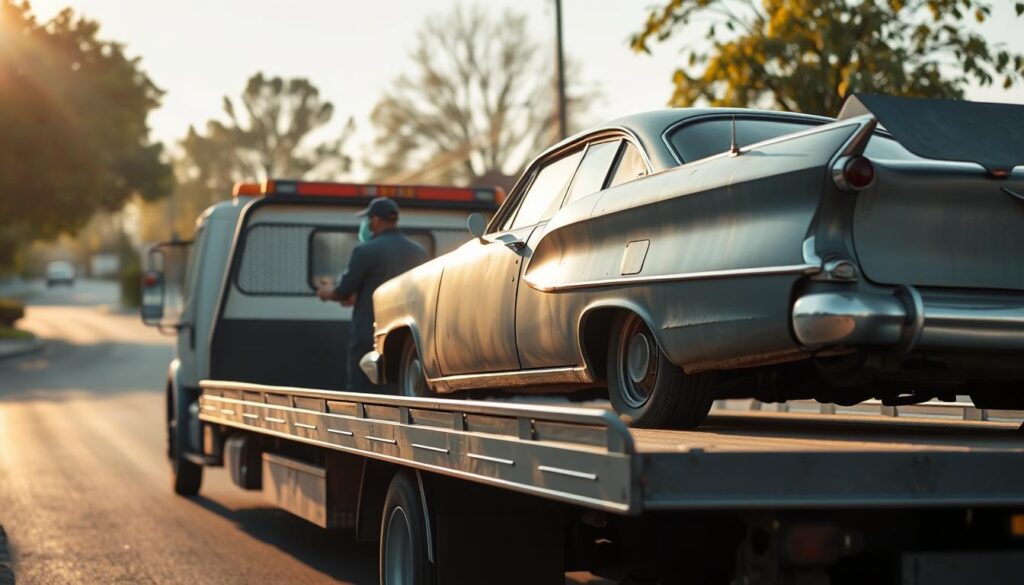
Transporting an inoperable vehicle requires extra planning and specialized gear. An inoperable vehicle is any car that cannot be driven onto or off a carrier under its own power. This often happens due to a drained battery or mechanical failure.
Auto transport teams assess condition first. That assessment determines whether winches, dollies, or flatbed trailers are needed. Most companies add a modest fee for these services, typically between $50 and $200 depending on distance and handling needs.
The process is more complex than standard transport, but trained drivers reduce the risk of damage. A professional carrier prepares trucks and trailers to match the vehicle’s condition and secures every load for safe delivery.
- Cost efficiency: Auto transport often costs less than long-distance towing.
- Condition checks: Teams note fluid leaks, loose parts, and access points before loading.
- Peace of mind: Reliable carriers prioritize secure handling and timely delivery.
| Option | Best for | Typical extra fee |
|---|---|---|
| Flatbed truck | Non-running vehicles needing full support | $50 – $200 |
| Winch and dolly | Cars that cannot roll but fit on multi-car trailers | $75 – $150 |
| Enclosed trailer | High-value vehicles requiring extra protection | $100 – $200 |
For a practical checklist before pickup, consult the transport checklist. It helps owners prepare their vehicle and speed up pickup time while keeping damage risk low.
Shipping Car With Dead Battery Requirements
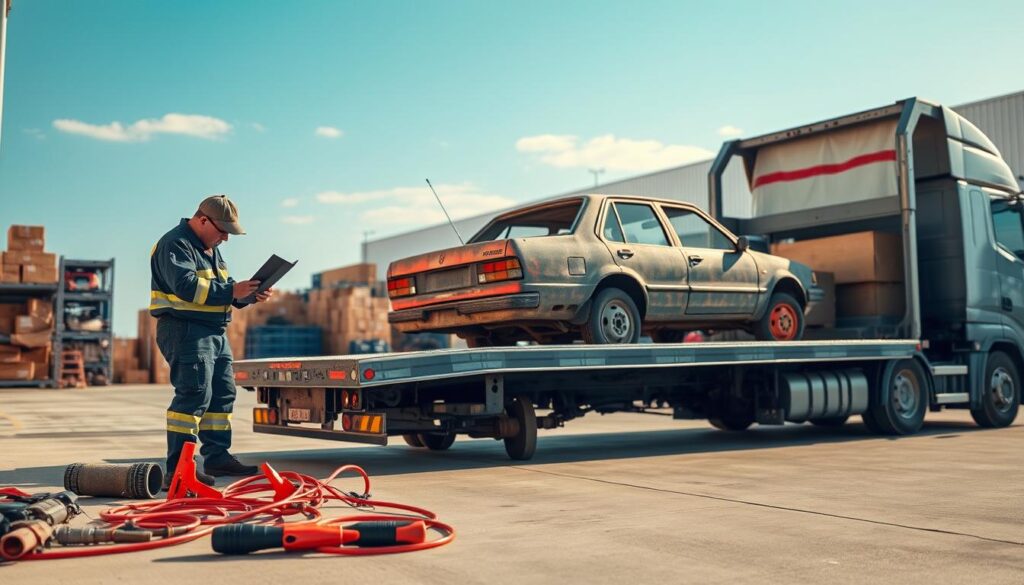
Before a scheduled pickup, owners should confirm whether their vehicle can start or needs special handling.
A dead battery often makes a vehicle inoperable, but it is usually a simple fix that can save money. National Dispatch asks customers to report inoperable status so the team can send proper equipment.
Identifying Inoperable Status
If the vehicle will not start or roll under its own power, the transport company classifies it as an inoperable car. Owners should try a quick charge or a new battery before booking to avoid extra handling fees.
Why Battery Issues Matter
Accurate condition info lets the carrier prepare winches, dollies, or flatbeds. National Dispatch provides a clear quote that reflects the type of equipment needed and helps keep delivery on time.
- Make sure to inform the company about the vehicle’s condition.
- Early identification reduces delays and lowers the risk of damage during the process.
- For localized service options, see the auto transport in Upton page for details and quotes.
How Professional Carriers Load Non-Running Vehicles
Professional carriers rely on purpose-built gear to load vehicles that cannot move under their own power.
Winches and liftgates are the most common tools used to pull a non-running vehicle onto a trailer. Trained drivers operate this gear step by step to avoid sudden jolts or strain.
Teams secure each vehicle at multiple tie points after positioning it. Proper placement reduces the chance of damage during transit and helps ensure on-time delivery.
- Specialized winches allow safe pulling when wheels do not roll.
- Liftgates provide a controlled platform for heavy or awkward loads.
- Drivers follow strict safety protocols during every pickup and loading action.
| Equipment | Best use | Benefit |
|---|---|---|
| Winch | Vehicles that cannot roll | Controlled, low-risk pulling onto trailer |
| Liftgate | Heavy or elevated loading | Stable transfer to truck bed |
| Flatbed / Dolly | Non-running autos needing full support | Maximum protection and minimal movement |
Choosing an experienced carrier for auto transport gives owners peace of mind. Skilled drivers, good equipment, and clear procedures reduce delays and protect valuable vehicles during delivery.
Factors Influencing Your Total Transport Cost
A handful of variables drive the rate for transporting an inoperable vehicle, from route complexity to equipment needs.
Distance and Route Impact
Longer routes increase fuel, driver time, and wear on trucks. Remote pickup or difficult access raises labor and handling fees.
Carrier Type Selection
Open carriers cost less but offer basic exposure. Enclosed carriers add protection and raise the price. Choosing the right carrier type affects the final quote.
Flexibility and Timing
Flexible pickup windows allow route optimization. That lowers cost by reducing detours and empty miles. Rigid dates often mean premium service fees.
- The condition of the vehicle matters—non-running units need extra equipment and time.
- Advanced logistics help keep cost down by finding efficient routes and consolidated loads.
- Owners who compare options receive a clear, transparent car transport rate and avoid surprises.
| Factor | Effect on Cost | Typical Impact |
|---|---|---|
| Distance / Route | Drives fuel and time charges | Low to High |
| Carrier Type | Open vs enclosed affects price | Moderate |
| Condition & Equipment | Winches, dollies, flatbeds add fees | Moderate to High |
| Timing Flexibility | Allows route optimization and savings | Low to Moderate |
For a tailored estimate, request a transparent shipping quote that reflects your vehicle’s condition and pickup location.
Comparing Auto Shipping Against Towing Services
For moves beyond local recovery, specialized transport services provide clearer pricing and safer handling. Towing companies often charge inconsistent, premium rates for long-distance moves. That can make costs hard to predict.
Professional auto carriers use purpose-built trucks and trailers that protect vehicles during long transit. Drivers know loading protocols and secure tie points for inoperable car transport.
Local tow firms usually lack long-haul equipment. That raises the risk of damage and exposes vehicles to weather. Transport companies offer enclosed options and trained crews to reduce that exposure.
- Cost-effective: Auto transport rates for long distances are often lower than repeated tow fees.
- Safer handling: Carriers use winches, dollies, and trailers suited for non-running vehicles.
- Reliable delivery: Dedicated drivers follow routes that reduce delays and handling steps.
Choose a carrier that provides a transparent quote and documented loading process. This is the best way to ensure the vehicle arrives on time and intact.
Essential Preparation Steps Before Pickup
A clear checklist shortens loading time and reduces the risk of damage. Owners should prepare the vehicle before the driver arrives. Early preparation speeds inspection and helps keep the pickup on schedule.
Securing Loose Parts and Personal Items
Remove all personal belongings from the vehicle prior to pickup. The carrier is not responsible for lost or damaged items left inside.
- Secure loose parts such as trim, antennas, or spoilers to prevent movement during loading and delivery.
- Clean and photograph the vehicle to document its current condition before transport.
- Make sure gas level is low and parking brake functions for safe loading.
- Notify the driver of any known issues so they can plan for special equipment during loading.
Preparing the vehicle correctly lets the driver complete a thorough inspection at pickup. That inspection records the vehicle’s condition and speeds the loading process.
| Task | Why it matters | Owner action |
|---|---|---|
| Remove personal items | Prevents loss and liability | Empty glove box, trunk, and cabin |
| Secure loose parts | Reduces risk of damage | Tape or fasten trim and loose panels |
| Document condition | Provides proof for claims | Take dated photos from multiple angles |
| Notify carrier | Ensures proper equipment | Report any inoperable features before pickup |
For a detailed checklist and tips, review how to prepare a car for. Proper prep helps the transport company deliver your vehicle on time and in the same condition it left.
Selecting the Right Auto Transport Company
Picking the right transport company starts with checking reputation and service transparency. Read recent online reviews on sites like Google. These reviews reveal how the carrier handles pickup and delivery.
Make sure the company offers a clear quote and does not demand full payment before pickup. This practice shows credibility and reduces risk for the owner.
Choose a provider that owns its fleet and provides door-to-door delivery. That combination often means better scheduling and consistent drivers who know the process.
Confirm the company has the right equipment and trained drivers for your vehicle type. Ask about winches, dollies, and enclosed trailers when needed.
- Check reviews and ratings.
- Request a transparent shipping quote.
- Confirm door-to-door delivery and fleet ownership.
- Verify equipment and driver training.
| What to Verify | Why it Matters | Question to Ask |
|---|---|---|
| Reputation | Shows service consistency | Where can I read recent reviews? |
| Payment Policy | Protects against fraud | Do you require full payment upfront? |
| Fleet & Equipment | Ensures proper handling | Do you own trucks and special gear? |
| Door-to-door Service | Simplifies pickup and delivery | Is pickup included at my location? |
Contact the team for a fast, reliable car shipping quote and clear next steps. Their staff will explain the process, confirm timing, and answer location-specific questions.
Conclusion
A planned move of an inoperable vehicle becomes straightforward when you rely on experienced auto transport pros.
Understanding time, cost, and handling needs helps owners make confident choices. Requesting a clear quote before booking removes surprises and supports better budgeting.
Prepare the vehicle and confirm condition to speed pickup. Professional teams reduce risk and ensure careful handling for every load.
For help estimating expenses, review the average cost per mile and request a free quote from the team. Contact (307) 288-5972 or email info@bestcarshippinginc.com to start your auto transport process and secure reliable delivery.