
Protecting a vehicle during transit starts with clear steps and calm action when issues arise. Move.org experts offer over eight years of industry review and practical guidance. Their work helps customers compare companies, quotes, and services with confidence.
Good preparation keeps owners ready for any delivery hiccup. Documenting the condition of the car before handoff and keeping photos at pickup and drop-off makes follow-up faster. This simple habit saves time and reduces disputes.
Move.org’s team explains options for claims, outlines expected timelines, and details what transport firms typically require. Readers will learn how to gather the right paperwork, reach the correct company contacts, and present evidence that supports a repair or reimbursement.
Key Takeaways
- Document the vehicle condition with clear photos at pickup and delivery.
- Keep all transit records, quotes, and service paperwork handy.
- Contact the transport company promptly and follow their procedures.
- Use Move.org resources and expert guidance for choosing reliable companies.
- Act quickly to preserve options for repair or reimbursement.
Understanding the Auto Transport Claims Process

Knowing carrier steps and insurance coverage makes post-transit issues easier to manage. Industry data shows fewer than 5% of shipments report any damage. That low number reflects standard safety practices and trained drivers.
Before booking, ask clear questions about policy limits, timelines, and documentation. Good carriers list procedures for inspections, photos, and delivery notes. Confirm the quote includes basic coverage and any supplemental options you may need.
- Keep copies of pickup and delivery photos and the bill of lading.
- Request the carrier’s contact number and specific claim steps.
- Read customer reviews and company policies for coverage and service promises.
Whether shipping a standard car or an upscale vehicle, these steps set expectations. Reliable transport companies reduce risk and speed resolution if incidents occur. For a clear comparison and a fast car transport quote, consult experienced experts.
How to File a Car Shipping Damage Claim
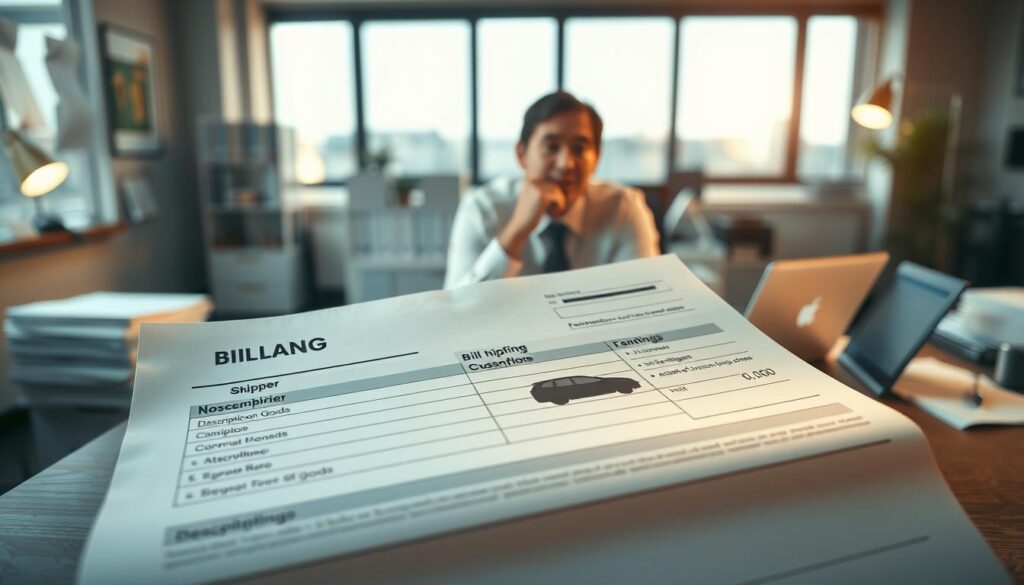
Begin the claims process by verifying that every mark is recorded on the bill of lading before the carrier departs.
Note every scratch, dent, or change in condition on the bill of lading. This document is the primary record for any claim and the transport company must acknowledge it.
Take clear photos from all angles at delivery. Photos serve as concrete evidence for insurance and for discussions with the carrier.
Contact the carrier immediately if damage is present. Report the issue, request the company’s claim steps, and ask for a written timeline.
- Keep all correspondences and the original bill of lading organized.
- Inspect the vehicle slowly and methodically before signing delivery paperwork.
- Preserve quotes, shipment records, and any receipts related to repairs.
Thorough documentation improves chances of a fair resolution. The transport company is responsible while the vehicle is in transit, and prompt, clear steps protect customer rights.
Identifying the Roles of Brokers and Carriers
Distinguishing the broker’s duties from the carrier’s obligations speeds communication and protects your vehicle.
Brokers arrange routes and match customers with carriers. They do not drive or store the vehicle. Brokers like AmeriFreight and Ship a Car Direct often offer extra insurance and mediation services as part of their package.
Broker Responsibilities
Brokers provide quotes and compare carriers for specific routes. They verify credentials, offer options, and can mediate disputes between customers and carriers.
- Secure competitive quote and schedule for the shipment.
- Offer supplemental insurance or mediation services.
- Maintain records of agreements and contact details.
Carrier Obligations
Carriers are the truck companies that perform the physical transport. The carrier’s insurance policy is the primary coverage when there is an issue with the vehicle during transit.
- Inspect and document the vehicle at pickup and delivery.
- Accept responsibility for the condition while in transit.
- Respond to claims and provide required documents.
Verify both parties. Confirm licensing, insurance, and reviews before booking. Knowing which entity to contact cuts downtime and helps resolve problems faster.
The Importance of the Bill of Lading
A clear bill of lading removes doubt about the vehicle’s state during transit and protects customer rights.
The bill of lading is the primary record in any car shipping process. It documents condition at pickup and again at delivery. Car owners should read it carefully before the carrier takes possession.
Inspect the vehicle slowly. Note any scratches, dents, or irregularities. If damage is present, ensure the item is listed on the bill of lading before signing.
The transport company provides the bill of lading and must sign it. Keep a signed copy for your records. Without recorded discrepancies, pursuing claims and insurance reimbursement becomes far more difficult.
Why Documentation Matters
- Official record: The bill of lading serves as the legal proof of condition.
- Pre-shipment review: Verify noted issues before the carrier departs.
- Delivery comparison: Match pickup photos and delivery notes on the final document.
Whether shipping a luxury vehicle or a standard car, accurate documentation reduces disputes and unexpected costs. For route options and a trusted car shipping quote, consult the company’s resources and reviews.
Preparing Your Vehicle for Safe Transit
A clean, inspected vehicle makes documentation simple and protects owner rights during transport.
Wash the exterior and clean the interior so scratches and dents are easy to spot. Take clear photos from every angle on pickup day.
Remove all personal items. Most carrier insurance policies do not cover belongings left inside the vehicle. Lock the glove box and trunk after documenting contents.
- Check fluid levels and battery charge. Mechanical problems not related to transit are rarely covered by insurance.
- If shipping a classic car, consider enclosed transport such as Passport Transport for added protection from weather and debris.
- Confirm the transport company’s insurance and ask about supplemental coverage before loading.
“A well-prepared vehicle reduces risk and shortens resolution time when problems occur.”
Quick checklist below helps owners prepare efficiently.
| Step | Action | Reason |
|---|---|---|
| Clean & Inspect | Wash, photograph, note condition | Evidence for the bill of lading and any future claims |
| Remove Items | Take out personal belongings | Items usually not covered by carrier policy |
| Mechanical Check | Test battery, fluids, tires | Prevents non-transit breakdowns |
| Confirm Coverage | Verify company insurance and options | Ensures protection during transit |
For a reliable quote and carrier options, consult a trusted provider like this local resource: car transport quote.
Conducting a Thorough Delivery Inspection
Inspecting the vehicle at handover prevents surprises and documents condition clearly.
Begin the review before signing any forms. The carrier must allow time for this check. Walk around the vehicle and look for new marks, dents, or other issues.
Lighting Requirements
Always inspect in good light. If delivery comes late, use a bright flashlight or phone light. Adequate illumination helps spot subtle scratches and paint rubs that might be missed otherwise.
Signing Delivery Paperwork
Never sign the bill lading as “satisfied” if any problem exists. Note each new issue on the bill lading with the driver present. That entry creates an official record for insurance and further claims.
“Your signature is a legal acknowledgment of the vehicle’s condition. Be precise and deliberate before you sign.”
| Step | Action | Why it matters |
|---|---|---|
| Inspect in light | Use natural or strong artificial light | Find subtle damage before acceptance |
| Record issues | List each item on bill lading | Creates formal evidence for carrier and insurer |
| Photograph | Take multiple close and wide shots | Supports notes and speeds resolution |
Documenting in real time gives owners leverage with the transport company and any insurer. For route options and a reliable delivery quote, see this delivery quote.
Documenting Damage with Photographic Evidence
Clear photos and video establish a timeline that supports any follow-up with the carrier.
Capture the whole vehicle first. Walk around and take wide shots showing overall condition. Then take close-ups of each issue.
Use strong light and steady frames. Record short video clips that pan from undamaged areas into the problem. This gives context for vehicle damage and prevents disputes.
- Photograph the bill lading and delivery paperwork with the vehicle in frame.
- If safe, include the transport truck or driver in one image to show transit context.
- Store all files securely and share them promptly with the carrier and your insurer.
| Item | Purpose | Recommended action |
|---|---|---|
| Wide photos | Establish overall condition | Take four corners and one overview shot |
| Close-ups | Show specific damage | Shoot multiple angles and include a scale (ruler) |
| Video | Provide continuous context | Pan slowly and narrate observed issues |
“Well-documented evidence reduces disagreement and speeds resolution.”
Next step: Report issues quickly, include these images with your report, and keep copies until resolution and coverage are confirmed.
Communicating Effectively with Your Driver
A steady, professional tone with the driver helps preserve facts and speeds resolution when issues appear.
Keep exchanges brief and factual. State observations, ask for the carrier’s standard process, and request the bill of lading be updated if any condition differs. Stay calm even when stressed.
Do not demand an admission of fault. The priority is to record the issue for insurance and the company record. Note each item, take photos, and ask the driver to sign the entry.
- Pay the driver as agreed; withholding payment can slow the process and create legal risk.
- Record names, dates, and times of conversations for later reference.
- Be aware many carriers are small businesses; keep perspective during disputes.
“Clear, calm communication protects your rights and strengthens your record for claims.”
| Action | Why it matters | Quick tip |
|---|---|---|
| Document issues | Creates official evidence in transit | Write details on bill of lading and shoot photos |
| Stay professional | Reduces escalation and speeds resolution | Use short, factual statements |
| Log interactions | Supports follow-up with insurer or company | Save names, dates, and phone numbers |
Navigating Insurance Coverage and Liability
Understanding who holds liability gives owners control when problems arise during transport.
Navigating insurance coverage is a core part of car transport. The FMCSA requires every carrier to carry at least $750,000 in public liability insurance. This amount covers bodily injury and property damage during transit.
That mandatory coverage does not always cover every type of loss. Owners should ask the company for proof of policy, limits, and any deductibles before booking. Confirm written details, not verbal promises.
If the vehicle has high value, consider additional coverage. Personal auto policies often exclude transit events. Supplemental insurance can close gaps and reduce your financial risk.
“Verify the carrier’s insurance documents and match limits to the vehicle’s value.”
| Item | Why it matters | What to request | Action |
|---|---|---|---|
| FMCSA minimum | Baseline legal protection | Proof of $750,000 liability | Verify carrier certificate |
| Policy limits | May exclude certain damage | Full policy summary | Read exclusions and deductibles |
| Personal coverage | Often limited for transit | Clarify with insurer | Ask insurer about transit extension |
| Supplemental options | Protects high-value vehicles | Additional liability or cargo coverage | Request quote and add before pickup |
Final step: Review the carrier’s certificate, get a written quote for any added coverage, and keep records. For assistance, contact Best Car Shipping Inc. at (307) 288-5972 or info@bestcarshippinginc.com.
Understanding Supplemental and Gap Insurance
When market value and lender balances diverge, extra coverage can prevent major loss.
When to Choose Supplemental Coverage
Supplemental insurance is wise for luxury, classic, or high-value vehicles whose worth may exceed basic carrier liability. Many transport companies offer tiered options that match coverage to the vehicle’s actual value during transit. Request written details and limits before booking.
Assessing Loan Balances
Gap insurance covers the gap between the vehicle’s market value and any remaining loan balance if the vehicle is declared a total loss. Owners with newer financed vehicles should compare the expected payout against their loan balance.
- Check existing auto policies — some comprehensive plans include gap or supplemental options.
- Assess vehicle value and loan balance before selecting coverage.
- Get all insurance terms in writing from the carrier or company offering the option.
“Choosing the right coverage protects the owner from major financial exposure during transit.”
For a clear cost comparison and an accurate auto shipping quotes, request written policy summaries and confirm carrier limits before delivery time.
Working with Your Broker for Mediation
Brokers often provide the quickest path to resolution when carrier and owner disagree.
Reputable companies such as Montway Auto Transport maintain dedicated claims teams that help mediate disputes between carriers and customers.
Engage your broker immediately if you cannot reach terms with the carrier. They can gather documentation, present your photos and bill of lading entries, and request follow-up from the carrier on your behalf.
- Follow the broker’s instructions precisely to meet deadlines and evidence requirements.
- Keep communications professional and factual so the broker can advocate effectively.
- Use mediation to avoid costly legal action and shorten resolution time.
“Well-handled mediation often resolves issues faster than direct escalation.”
Your broker is a resource. Ask for guidance on next steps if you remain unsatisfied, and consult this broker resource for more information: auto shipping broker.
Exploring Subrogation Through Personal Insurance
Subrogation occurs when your insurer covers repair costs and then seeks reimbursement from the transport company.
Using personal insurance for repair payment can simplify immediate repairs. Your provider pays the shop and handles recovery from the carriers.
This route may add another party and extend the timeline. It can be effective, but it often requires patience and extra documentation.
The risks of subrogation
Not every personal policy supports recovery actions. Check policy language and speak with your agent before relying on this option.
- Broker support may end if your insurer leads recovery efforts.
- Process can be lengthy and may not speed final resolution.
- Owners of a classic car should confirm transit coverage first.
“Keep complete records of every contact, photo, and document; they are essential if subrogation moves forward.”
| Factor | Benefit | Risk |
|---|---|---|
| Insurer pays first | Quick access to repairs and service | Insurer adds recovery steps and delays |
| Recovery pursuit | Potential full reimbursement | May trigger broker withdrawal of support |
| Policy limits | Clear financial protection if adequate | Some policies exclude transit; verify coverage |
Decision guidance: Weigh speed, coverage, and relationships with brokers and carriers before choosing subrogation. If unsure, consult your insurer and preserve all delivery records and delivery photos.
For related logistics concerns, see this resource on transporting with flat tires: can you transport with flat tires.
Handling Denied Claims and Disputes
Rejection of an insurance payout is not the final step. An organized review can reveal missed evidence or procedural gaps that reopen options.
Begin by reading the policy and the bill lading closely. Look for exclusions, time limits, and any noted exceptions.
Compare the bill lading entries with your delivery photos and notes. This document often determines whether the insurer or carriers accept responsibility.
- Contact your broker for guidance and escalation support.
- Respond promptly to insurer requests for more information.
- Keep every email, receipt, and photograph organized and dated.
If those steps fail, you may file a complaint with the FMCSA or pursue legal remedies. Both routes demand clear records and patience.
“Being persistent, calm, and methodical gives owners the best chance at fair resolution.”
| Action | Why it matters | When to act |
|---|---|---|
| Review policy & bill lading | Find exclusions or missed evidence | Immediately after denial |
| Engage broker | Broker can mediate and advise | Within days of rejection |
| FMCSA complaint | Regulatory pressure on carriers | If bad faith or safety issues appear |
| Legal action | Final remedy when other steps fail | Consider last, after all records collected |
Keep documentation central. Well-organized records of photo evidence, delivery notes, and correspondence improve outcomes when disputes escalate. For help, contact Best Car Shipping Inc. at (307) 288-5972 or info@bestcarshippinginc.com.
Filing Complaints with the Federal Motor Carrier Safety Administration
If you suspect a carrier violated rules during transit, notify the FMCSA with precise details.
The FMCSA investigates complaints about carriers and brokers that affect auto transport safety and compliance.
Filing a formal report does not overturn an insurance determination. Still, regulators can inspect carriers and enforce penalties for serious violations.
Include the incident date, location, and a clear description of the issue. Provide the carrier’s MC number so investigators can track patterns and past service records.
“Reporting helps protect future customers and improves industry accountability.”
- Describe events clearly and attach delivery photos and the bill of lading.
- Keep copies of your submission and any FMCSA follow-up for legal reference.
- Understand the FMCSA may be limited by staffing, but each report builds oversight data.
| What to include | Why it matters | Action |
|---|---|---|
| Incident date & location | Establishes timeline | Note times and addresses |
| Carrier MC number | Links complaint to carriers | Copy from bill of lading or booking |
| Photos & documents | Supports investigation | Attach delivery images and paperwork |
| Detailed description | Guides FMCSA review | Write clear, factual narrative |
Next step: Submit the report through the FMCSA complaint portal, then follow up if needed. For assistance with documentation or next steps, contact Best Car Shipping Inc. at (307) 288-5972 or info@bestcarshippinginc.com.
Considering Legal Action as a Last Resort
Taking legal action should be a measured step only after all administrative remedies are exhausted.
Litigation is costly and slow. Owners should try broker mediation and an FMCSA complaint first. Many disputes resolve through those channels or the carrier’s internal process.
If recovery remains unlikely, consult an attorney who specializes in transportation law. Legal counsel can evaluate the policy language and advise on likely outcomes.
For high-value or classic car losses, the expected award may justify court fees. RoadRunner Auto Transport has over 30 years of experience and established procedures meant to avoid lawsuits.
Keep every document: the bill of lading, delivery photos, repair estimates, and all correspondence. These items form the core evidence in any legal proceeding.
“Approach legal action with professional advice and clear records to protect your interests.”
| Consideration | Why it matters | Recommended step |
|---|---|---|
| Cost vs. recovery | Litigation fees can exceed award | Get an attorney estimate before filing |
| Exhaust remedies | Mediation and FMCSA complaints may succeed | Complete broker and regulatory steps first |
| Evidence | Documents determine case strength | Preserve photos, bill of lading, and receipts |
| Special vehicles | Classic car or high-value auto may change calculus | Consider expert valuation and counsel |
Next step: If litigation seems necessary, contact a transportation law attorney and maintain organized records. For assistance with documentation or carrier procedures, reach Best Car Shipping Inc. at (307) 288-5972 or info@bestcarshippinginc.com.
Conclusion
Clear records and calm action give vehicle owners the best chance at fair recovery.
Inspect thoroughly at delivery and note any issues on the bill of lading. That step creates the legal foundation needed for next steps and reduces disputes.
Work with reputable brokers and carriers. Their processes and support cut risk and speed resolution when problems appear.
Keep all documents, photos, and communications organized. Store receipts and correspondence until the matter closes.
Owners have options, including broker mediation and an FMCSA complaint, if escalation becomes necessary. With proper preparation, shipping an auto can be secure and predictable.
For assistance, contact Best Car Shipping Inc. at (307) 288-5972 or info@bestcarshippinginc.com.