
Many vehicle owners ask this question when planning a big move across the United States. The Federal Motor Carrier Safety Administration recommends hiring a licensed, insured auto transport company to reduce risk and ensure reliable transit.
Professional carriers follow strict processes to document condition, provide insurance options, and manage delivery timelines. Choosing a reputable company gives access to experienced drivers and transparent quotes that explain costs and transit details.
Door-to-door and terminal options let customers pick the protection level that fits their needs. Clear communication and upfront pricing build trust and improve the overall transport experience.
Key Takeaways
- Licensed, insured companies offer the most reliable vehicle delivery.
- Documentation and photos protect the customer and carrier during transit.
- Transparent quotes clarify coverage, fees, and expected delivery time.
- Door-to-door service adds convenience; terminal options can lower costs.
- Choose carriers with strong reviews and clear communication for peace of mind.
Understanding the Basics of Long-Distance Car Shipping

Cross-country movement of vehicles is a planned process that keeps mileage low and timelines clear. Professional car transport moves vehicles across state lines while protecting value and saving time.
What long-distance transport means
Long-distance transport refers to moving a vehicle coast-to-coast or across states without adding unnecessary miles. This process reduces wear and preserves resale value.
Why choose professional services
Experienced carriers manage schedules, paperwork, and insurance. Most companies plan routes so a carrier covers about 500 miles per day. That pace makes cross-country delivery take roughly 7 to 10 days.
- Avoid multi-day driving and wear on personal vehicles.
- Handle one or several vehicles with the right equipment.
- Streamlined process, clear communication, and reliable timelines.
| Metric | Typical Value | Benefit |
|---|---|---|
| Daily mileage | ~500 miles | Balanced speed and safety |
| Cross-country time | 7–10 days | Predictable delivery window |
| Service scope | Single or multiple vehicles | Scalable equipment and crews |
“Professional transport reduces risk and preserves a vehicle’s condition during long moves.”
Is Car Shipping Safe for Long Distances?
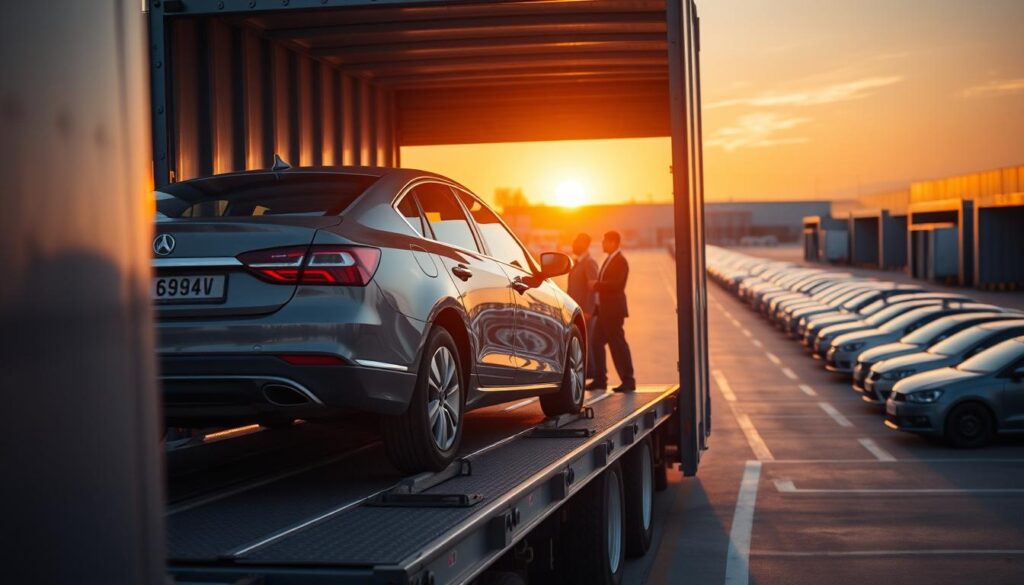
Rigorous carrier screening and standardized inspections keep vehicle transit predictable and secure.
The safety of a vehicle is the primary priority. The company vets each carrier, checks credentials, and reviews past performance before awarding contracts. Drivers receive training to secure loads and handle varied road conditions.
Every vehicle is inspected and documented at pickup and delivery. Photo records and written reports create a clear chain of custody. This documentation speeds claims handling and reduces disputes.
Professional transport reduces exposure to driver fatigue and unfamiliar routes. Choosing an experienced company means fewer miles on personal vehicles and less risk on busy highways.
- Contracted carriers meet insurance and compliance standards.
- Secure tie-downs and equipment protect paint and frames.
- Transparent documentation gives customers peace of mind.
“When a trusted carrier handles a move, owners gain a secure, efficient option for moving vehicles across a distance.”
To discuss options or request a quote, contact the team at info@bestcarshippinginc.com or call (307) 288-5972.
Key Benefits of Professional Vehicle Transport
Using a vetted transport company preserves value by minimizing extra miles and exposure.
Preserving vehicle condition is a primary advantage. Professional car shipping keeps your car off busy roads and away from debris that causes chips and dents.
Experienced carriers secure vehicles with specialized equipment. That approach reduces wear and tear and keeps mechanical systems intact.
Financial protection matters. Most services include insurance coverage that helps protect customers if damage occurs during transit.
Practical perks
- Door-to-door delivery removes the hassle of coordinating pickup and drop-off.
- Regular updates and professional tips keep customers informed before and during delivery.
- Choosing transport often lowers overall cost compared with driving—no fuel, lodging, or added miles.
“Professional transport preserves condition and simplifies long moves by combining secure handling with clear communication.”
For personalized advice or a quote, contact the company at info@bestcarshippinginc.com or call (307) 288-5972.
Factors Influencing Your Shipping Costs
Transparent pricing starts with knowing what drives the quote. Several clear factors combine to set a final rate for transporting a vehicle across state lines.
Market demand and seasonality often create the biggest swings. Peak months see more requests, and carriers raise prices when space is tight. Booking early helps secure better rates and reduces last-minute fees.
Vehicle size and weight
Larger models like trucks and SUVs take more room and add weight. That increases the fee because fewer vehicles fit on a carrier and fuel use rises. Provide accurate dimensions when you request a quote to get an honest price.
Impact of fuel prices
Fuel costs change quickly and affect long-distance routes the most. Carriers pass along higher fuel expenses through surcharges. Choosing flexible pickup dates can lower exposure to sudden price jumps.
- Book in advance to lock better prices and guarantee carrier availability.
- Share precise vehicle details to avoid surprise fees at pickup.
- The company balances competitive costs with strong protection and reliable service.
“Understanding demand, size, and fuel trends helps owners get a fair, transparent delivery price.”
For a detailed estimate, consult the ultimate guide or contact info@bestcarshippinginc.com.
Comparing Open and Enclosed Transport Options
Transport options range from exposed multi-vehicle trailers to fully enclosed carriers that shield high-value vehicles.
Open transport is the most common and the most cost-effective method. Large trailers carry several vehicles at once. This reduces the per-vehicle fee and speeds scheduling with multiple carriers.
Enclosed transport provides superior protection against weather and road debris. It is recommended for luxury and classic vehicles. Expect about a 50% higher fee compared with open trailers, but the higher protection often justifies the cost.
Our company offers both methods and coordinates shipments to match budgets and vehicle needs. Door-to-door delivery is available with either option, which simplifies pickup and final delivery.
- Open transport: efficient, lower cost, widely available.
- Enclosed transport: greater protection, higher cost, ideal for high-value models.
- Experienced carriers and staff handle loading, securing, and transit planning.
“Compare options by weighing cost against the level of protection you need.”
To learn more or to ship your vehicle to another state, contact the team at info@bestcarshippinginc.com or (307) 288-5972.
Essential Steps for Preparing Your Vehicle
Taking a few simple steps before pickup ensures carriers can load and secure your vehicle quickly.
Cleaning and Personal Items
Wash the exterior so scratches and dents are visible during inspection. A clean surface speeds the condition review and reduces disputes.
Remove valuables and aftermarket accessories that the carrier’s insurance may not cover. Standard policies allow up to 100 lbs of personal items in the trunk or below the window line.
Documenting Pre-existing Damage
Take high-resolution photos from all angles before pickup. Capture close-ups of any chips, dents, or wear. These images support insurance claims and protect the owner.
Check fluid levels and tire pressure so the vehicle is ready to load. Share any notes with the carrier and request a copy of the pickup inspection report.
- Document every scratch or dent before transit.
- Follow carrier guidance to ease loading and delivery.
- Ask for a written quote and insurance details in advance.
These steps help carriers handle vehicles safely and improve the overall delivery experience. For a clear guide to long-distance transport, see shipping a car across the country.
Managing Risks and Ensuring Secure Transit
A secure transit plan combines vetted crews, reliable equipment, and ongoing status updates from pickup to delivery.
Insurance and documentation form the first defense. The company maintains comprehensive insurance coverage for every vehicle in its care. Inspecting and photographing each vehicle at pickup and delivery creates a clear record that speeds any claim process.
Trained carriers navigate varied road conditions. Drivers follow standardized tie-down and loading methods to lower the chance of damage during loading and unloading.
The service monitors fuel prices and carrier availability. This helps keep the agreed price steady and reduces unexpected delays caused by market swings.
- Predict delays: Weather or mechanical issues can occur; planning adds flexibility.
- Use modern methods: Enclosed and open transport options minimize exposure during transit.
- Stay informed: Regular updates keep owners aware of shipment status and ETA.
“Professional oversight and clear insurance coverage turn uncertainty into a predictable delivery experience.”
For questions about insurance coverage or to arrange a delivery, contact info@bestcarshippinginc.com or call (307) 288-5972.
How to Select a Reputable Shipping Company
A smart selection relies on verification steps, steady communication, and concrete guarantees from the provider.
Start by confirming insurance coverage. Request the insurer’s name, policy number, and a copy of the coverage terms. Verify limits and whether loss or damage to your vehicle counts toward the declared amount.
Ask for a written quote that lists all fees and a delivery window. Choose companies that offer a Price Lock Promise so the quoted price stays fixed from pickup to delivery. Sherpa Auto Transport’s Price Lock Promise is an example of that commitment.
Read recent customer reviews to judge experience and communication. Look for fast responses, clear pickup instructions, and timely updates during shipment.
- Confirm insurance coverage and carrier vetting.
- Get a transparent quote and written price guarantee.
- Prefer firms with strong reviews and clear communication.
“Choosing a vetted company reduces risk and gives owners confidence during delivery.”
For help choosing a trusted transport service, contact info@bestcarshippinginc.com or call (307) 288-5972.
Navigating Delivery and Logistics
Final delivery hinges on careful planning, local rules, and direct communication with the driver. Coordination between the owner and the carrier sets expectations and confirms the exact drop-off point.
RoadRunner Auto Transport uses a network of over 15,000 certified carriers to match vehicle types and route needs. This scale helps handle diverse requests and reduce transit times.
Our logistics team tracks each shipment with modern systems. Customers receive real-time updates and clear steps to inspect the vehicle at delivery.
Inspect the vehicle with the driver and note any discrepancies on the delivery form. Local road restrictions or narrow streets may change the exact door-to-door location for large transport trucks.
- Confirm the delivery address and access constraints in advance.
- Request a written quote and review estimated fees and transit time.
- Expect route adjustments when demand or fuel prices affect availability.
“Choosing a professional transport company reduces surprises and makes moving a vehicle straightforward.”
For tailored guidance or a quick estimate, see our page about car shipping in Upton or contact info@bestcarshippinginc.com / (307) 288-5972.
Conclusion
A clear plan and a trusted provider turn a complex vehicle move into a predictable, low-stress project.
Verify insurance coverage and confirm carrier credentials before booking. This step protects value and simplifies any claim process.
Choose a company that offers a transparent quote, regular updates, and clear pickup-to-delivery procedures. That approach reduces surprises and helps control cost.
BestCarShippingInc focuses on customer care and proven transport practices. Learn more about Spanish-language options at transporte de carros or contact the team at info@bestcarshippinginc.com / (307) 288-5972.