
Start with clarity. A concise checklist helps owners protect a valuable asset during transit. National Dispatch and reputable firms guide customers through licensing, insurance, and service terms. Call National Dispatch at 800-321-2051 for professional support.
The right auto transport company explains the full process for pickup delivery, driver communication, and estimated time of arrival. Compare multiple quotes and review coverage details to balance cost and protection.
Choose a carrier that communicates clearly. Ask about open versus enclosed transport, payment methods, and how delays are handled. This reduces stress and helps avoid unexpected costs.
Good companies offer transparent rates, clear insurance coverage, and straightforward timelines. If needed, contact BestCarShippingInc at info@bestcarshippinginc.com or (307) 288-5972 for tailored advice.
Key Takeaways
- Verify licensing, insurance, and carrier reputation before committing.
- Request several quotes to compare cost, options, and transit time.
- Clarify pickup delivery steps and driver communication procedures.
- Know the difference between open and enclosed transport methods.
- Confirm payment methods, coverage limits, and policies for delays.
Essential Questions to Ask Before Booking Car Shipping

Ensure the transporter outlines pickup schedules, communication during transit, and delivery procedures. This gives clear expectations and reduces surprises.
Research the company for licensing, insurance, and years of service. Confirm that the auto transport provider has handled similar vehicle types and interstate moves.
Clarify logistics: how the company loads vehicles, estimated transit time, and who handles delays. Transparent companies explain their process and responsibilities.
Request written estimates and ask what the quote covers. If a provider hesitates, pursue alternatives. For a reliable option and further guidance, visit Best Car Shipping Service.
Verifying Company Credentials and Licensing
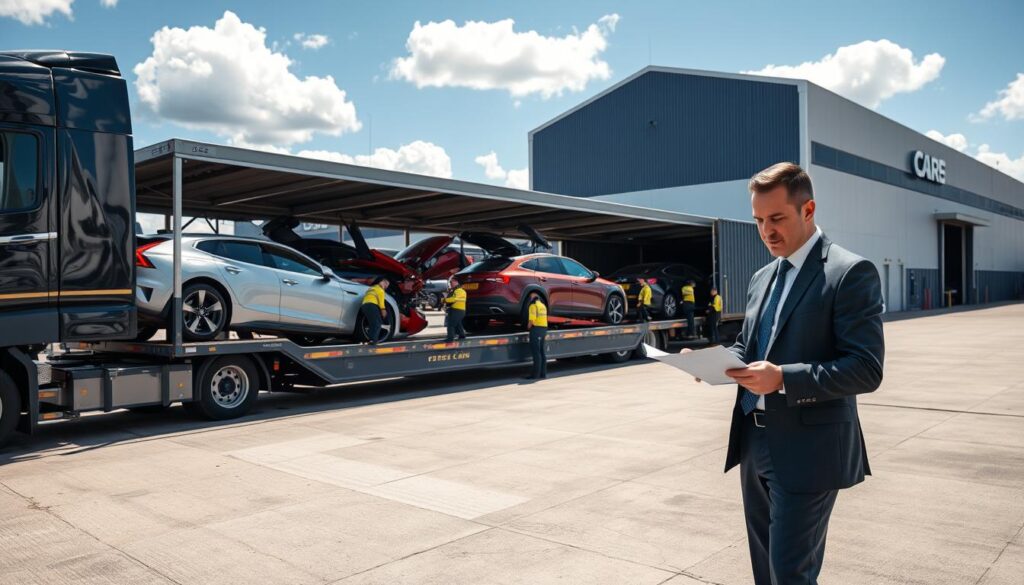
Begin by confirming a valid U.S. DOT number and inspecting published safety data for the provider.
U.S. Department of Transportation Registration
Verify registration: Any legitimate auto transport provider must have a U.S. DOT# on record. Request the number and check it against federal databases.
If a company hesitates to share this, treat it as a significant red flag.
Verifying Safety Reports
Use the DOT record to review safety inspections, crash history, and compliance actions. These reports reveal how the transport company maintains its fleet and handles regulatory issues.
Confirm that insurance and safety certifications match the scope of your vehicle transit. A professional shipping company will provide credentials without delay.
- Request U.S. DOT# and carrier authority details.
- Compare safety scores and recent inspections.
- Confirm insurance limits and coverage dates.
| Check | What to Look For | Why It Matters |
|---|---|---|
| U.S. DOT Number | Valid, active registration | Confirms legal authority to transport across state lines |
| Safety Reports | Inspection history, violations | Shows operational and safety standards |
| Insurance | Coverage limits, effective dates | Protects your vehicle during transit |
For a step-by-step guide on long-distance moves, see our page on shipping a car across the country.
Understanding the Difference Between Brokers and Carriers
Knowing whether a company is a broker or a carrier clarifies who will move your vehicle and who answers for it. This matters for liability, scheduling, and direct communication during transport.
Carriers own the trucks and handle the physical move. A carrier controls loading, transit, and delivery. That often means more consistent timelines and direct accountability for the auto transport process.
Brokers match customers with carriers. They can help you ship car units faster by offering flexible scheduling and multiple options. Brokers do not own trucks and rely on partner companies to perform the move.
Always ask your provider to clarify their role. Reputable companies will state whether they act as a broker or a carrier and will share carrier credentials when required. Both models must meet federal safety rules and provide insurance details for your protection.
- Carriers: direct control, consistent handling, owns equipment.
- Brokers: wider choices, scheduling flexibility, intermediary role.
- Choose based on needs—cost, timing, and accountability.
Getting Accurate and Transparent Price Quotes
A precise, written quote helps owners understand true transport costs and options. Obtaining an accurate quote is the first step in managing the cost of your car transport and avoiding surprise fees.
What the Quote Covers
Professional auto transport companies list line items: base rates, fuel surcharges, insurance, and any pickup or delivery fees. Ask for written confirmation of what is included and what is optional.
Avoiding Hidden Fees
Hidden costs are avoidable. Confirm whether the price covers permits, storage, or extra handling for oversized vehicles. Compare quoted rates and note any items that could increase your total money outlay.
Requesting No-Obligation Estimates
Request no-obligation estimates from multiple providers. The national average cost is about $1,195, but rates change with season and demand.
When comparing, weigh price against service, carrier credentials, and delivery time. The lowest bid may save money now but cost more later if service is poor.
- Get itemized quotes in writing.
- Confirm payment terms and deposit policies.
- Choose a transparent company that explains how rates are calculated.
If readers need assistance, contact BestCarShippingInc at info@bestcarshippinginc.com or call (307) 288-5972 for a clear, no-obligation quote.
Evaluating Insurance Coverage and Liability
Confirming insurance limits and responsibility is a vital step when selecting an auto transport provider.
Make sure the company supplies clear proof of insurance and a written policy summary. Reputable transport companies show liability limits and the insurer name on request.
Understand deductibles. Know whether you pay a deductible and how much. This affects your out-of-pocket cost if damage occurs during transit.
Understanding Deductibles
Many top-tier carriers provide a 48-hour inspection window after delivery. Use this time to inspect your vehicle and file claims if needed.
- Verify policy effective dates and coverage limits.
- Confirm who covers damage during loading and transit.
- Request written proof of insurance before handing over keys.
| Item | What to verify | Why it matters |
|---|---|---|
| Liability limit | Policy limit and insurer name | Ensures adequate compensation for loss or damage |
| Deductible | Amount owner may owe per claim | Affects potential out-of-pocket repairs |
| Claim window | Inspection period (often 48 hours) | Defines time to report visible damage |
| Proof of insurance | Written policy or certificate | Confirms coverage before transport begins |
If a company cannot provide insurance documentation, look for other companies that prioritize protection. For assistance, contact BestCarShippingInc at info@bestcarshippinginc.com or call (307) 288-5972.
Investigating Customer Reviews and Reputation
Real customer feedback reveals whether an auto transport company delivers on promises. Look for patterns across multiple platforms rather than a single high score.
Pay attention to how the company responds to complaints. Prompt, professional replies show commitment to service and effective problem resolution.
Search reviews for notes about safety and delivery speed. A reliable auto shipping company will have repeat positive comments about vehicle condition and timely pickup.
Ask whether reviewers mention clear quotes, accurate insurance handling, and transparent timelines. References or testimonials provided by the company add verification.
- Check ratings across sites for consistency.
- Note how the company handles refunds or damage claims.
- Prefer companies with many satisfied customers over isolated five-star listings.
Consistent positive reviews are a reliable signal that an auto shipping company will protect your car and deliver professional service. For direct help, contact BestCarShippingInc at info@bestcarshippinginc.com or (307) 288-5972.
Determining Your Preferred Shipping Timeframe
Scheduling flexibility often dictates both the final price and how quickly a vehicle arrives. An expedited request usually raises the cost. Plan early for better rates and less stress.
Discuss calendar needs with the provider. Confirm they can meet your delivery window and note any blackout dates. Distance affects transit time; longer hauls need wider windows.
- Tell companies your target pickup and delivery dates when you request a quote.
- Compare options: standard transit versus expedited delivery and associated rates.
- Ask for a written estimated delivery window and a plan for delays.
Advance planning secures better price and schedule control. When timing is critical, choose a provider with clear timelines and documented commitments. For help arranging a reliable move, contact BestCarShippingInc at info@bestcarshippinginc.com or (307) 288-5972.
Choosing Between Open and Enclosed Transport
Deciding between open and enclosed transport hinges on vehicle value and exposure risk during transit. The right choice depends on the type of vehicle and the protection you need.
Benefits of Open Carriers
Open carriers are the industry standard. They move most cars affordably and are widely available across routes. Open transport often saves owners about $400 compared with enclosed methods.
For standard vehicles, open transport delivers reliable service at a lower cost. Many companies favor this option for nationwide moves because it balances price and efficiency.
When to Choose Enclosed Shipping
Enclosed shipping is best for high-value, classic, or specialty cars that need extra protection from road debris and weather. It adds cost but reduces exposure and provides peace of mind.
A professional carrier will review vehicle condition and recommend the suitable type. Discuss options with your provider so the selected method matches the vehicle and owner priorities.
- Open carriers: economical and common for everyday cars.
- Enclosed transport: premium protection for valuable vehicles.
- Ask your chosen company for a recommendation and cost comparison.
Learn more about open transport on our guide: open auto transport services.
Clarifying Payment Methods and Deposit Policies
Clear payment rules prevent surprises and protect your funds when arranging a vehicle move.
Confirm whether the shipping company requires a deposit and how much. Most reputable companies take a modest deposit to hold the pickup date.
Understand when final payment is due. Final payment is typically made at delivery to the driver, but some providers accept full payment earlier.
Check accepted payment methods. Ask if credit cards, wire transfers, or secure online payments are available. Credit cards often add buyer protection.
If a firm requests full payment upfront, question that policy and request written justification. Large upfront demands can signal risk.
- Get the policy in writing: deposit amount, deadlines, and refund rules.
- Confirm payment timing: at pickup, during transit, or on delivery.
- Secure options: prefer traceable, insured payment methods for your money.
For a trusted option and a clear written quote, contact BestCarShippingInc at info@bestcarshippinginc.com or (307) 288-5972.
Preparing Your Vehicle for Safe Transit
Owners should follow a brief preparation checklist that protects vehicles and reduces delays. Proper prep lowers risks during loading and at delivery.
Cleaning and Fuel Requirements
Clean the vehicle thoroughly. A clean interior and exterior help the driver and the company document any preexisting damage. This step speeds inspections and reduces disputes over condition.
Remove personal items. Most transport companies prohibit belongings inside the vehicle. Removing items prevents damage, limits liability, and avoids extra costs or delays.
Maintain fuel at about one-quarter tank. Most auto transport firms require the tank be no more than 1/4 full. That reduces weight and makes loading safer for drivers and other vehicles on the carrier.
- Check battery charge and tire pressure before pickup.
- Disable alarms to avoid activation during transit.
- Confirm any special instructions with your chosen company.
“Proper preparation protects the vehicle and ensures a smoother transport process.”
Final step: verify the written checklist and insurance details with the carrier. Proper prep reduces costs, minimizes delays, and helps the auto shipping process run smoothly.
Managing Pickup and Delivery Logistics
Efficient handoffs rely on direct communication between the owner, the driver, and the transport company. Confirm the pickup address, any gate codes, and the best access route. Clear notes help the driver avoid delays and extra mileage for long distance moves.
Be present at pickup and delivery when possible. Sign paperwork and inspect the car with the driver. This speeds claims and confirms condition.
If someone else will handle the handoff, notify the company in advance. Provide the representative’s name and ID instructions so drivers can release the vehicle without confusion.
“Confirm addresses and contact windows early; it prevents missed pickups and costly delays.”
| Step | What to confirm | Why it matters |
|---|---|---|
| Pickup details | Address, access notes, pickup window | Ensures driver can reach vehicle and stay on schedule |
| Delivery plan | Exact drop-off point and contact number | Reduces wait time and prevents missed delivery |
| Representative | Authorized contact and ID | Allows pickup/delivery when owner is unavailable |
Professional auto transport companies will call the owner before arrival and confirm the estimated time. Confirm payment method with your provider and have paperwork ready at delivery.
For clear, no-obligation auto shipping quotes and help managing pickup delivery, contact BestCarShippingInc at info@bestcarshippinginc.com or (307) 288-5972.
Handling Personal Belongings Inside the Vehicle
Clearing your vehicle of personal goods prevents claims issues and shortens pickup and delivery time.
Most reputable companies prohibit leaving personal items in the cabin. Carrier insurance rarely covers personal property, so any loss or damage falls on the owner.
Empty the interior and trunk. This protects upholstery and internal components from shifting loads or stains during transit.
Items left inside can slow inspections. Drivers must verify a vehicle is safe for loading. That extra step can delay schedules and extend overall transit time.
- Remove electronics, luggage, and loose tools.
- Keep fuel near one-quarter tank and disable alarms.
- Contact the provider if you need clarification on permitted items or declared-value options tied to insurance.
Final step: document the vehicle’s condition with photos and confirm policy details with your carrier. For assistance, contact BestCarShippingInc at info@bestcarshippinginc.com or (307) 288-5972.
Shipping Inoperable or Non-Running Vehicles
Moving a vehicle that won’t start requires specific equipment and experienced drivers.
Specialized auto transport companies use winches, lifts, and flatbeds built for non-running units. Owners must disclose the vehicle’s condition when they request service.
Notification changes the carrier type and loading plan. If the car is immobile, the carrier will assign the right truck and crew. This prevents delays and reduces risk.
Costs often rise for non-operable units. Extra labor and gear increase the rate. Confirm pricing up front and get written details.
- Verify the company has handled non-running vehicles.
- Confirm the driver has winching and securing experience.
- Document vehicle condition with photos before pickup.
| Need | What the carrier provides | Why it matters |
|---|---|---|
| Winching gear | Electric/manual winch, ramps | Safe loading of immobile vehicles |
| Trained crew | Winch operation, securement | Reduces damage risk during transit |
| Price clarity | Itemized fees for equipment and labor | Prevents surprise charges |
“Honest communication about vehicle condition ensures a smoother auto transport experience.”
Requesting References for Direct Verification
Direct verification from past customers provides clear insight into a provider’s consistency and honesty. Request contact details for clients who used the company’s vehicle transport service for similar routes or vehicle types.
Call or email references and ask specific questions about communication, delivery windows, and whether the final cost matched the original quote. Look for consistent praise in reviews and for any repeated complaints about timing or damage handling.
A professional shipping company will gladly share references. That willingness signals confidence in service and customer care.
- Confirm that promised timelines were met.
- Verify the protection and handling of the vehicle during transit.
- Compare documented quotes with final charges mentioned by references.
“References reveal whether a carrier delivers on price, timing, and the safety promises it makes.”
If a provider hesitates to supply references, consider alternatives with transparent records. For more guidance, read the ultimate guide or contact BestCarShippingInc at info@bestcarshippinginc.com or (307) 288-5972.
Confirming Door to Door Service Availability
Door-to-door service offers the ease of a home pickup and direct delivery. Not every route supports this option, so verify access and any location restrictions with your carrier.
Ask whether the service is included in your quote or listed as an extra fee. A professional auto transport company will state this clearly and note any limits on residential access.
When you ship car units, door-to-door saves time by avoiding terminal drops. Confirm the driver can reach your address. Some areas restrict large trucks or require special permits.
- Confirm inclusion: check if door-to-door is part of the quoted service.
- Check access: verify street size, gate codes, and parking rules ahead of pickup.
- Coordinate logistics: the best auto shipping providers will schedule pickup delivery windows and coordinate with the driver.
“Verify door-to-door details early so you are prepared when the vehicle arrives.”
Final step: get the door-to-door terms in writing and confirm timing. If you need assistance, contact BestCarShippingInc at info@bestcarshippinginc.com or (307) 288-5972.
Conclusion
A final review of credentials, coverage, and written rates protects your budget and your vehicle.
Make sure the chosen car shipping company provides proof of insurance, clear quotes, and a written price breakdown. Compare rates and options so customers can select the best auto shipping company for their needs.
Confirm delivery timing, pickup delivery details, and payment terms before signing. Keep contact details for the driver and company handy for smooth communication during transport.
By verifying credentials, checking reviews, and comparing quotes, owners reduce costs and avoid surprises. For assistance or a clear written quote, contact BestCarShippingInc at info@bestcarshippinginc.com or (307) 288-5972.